# What Happened
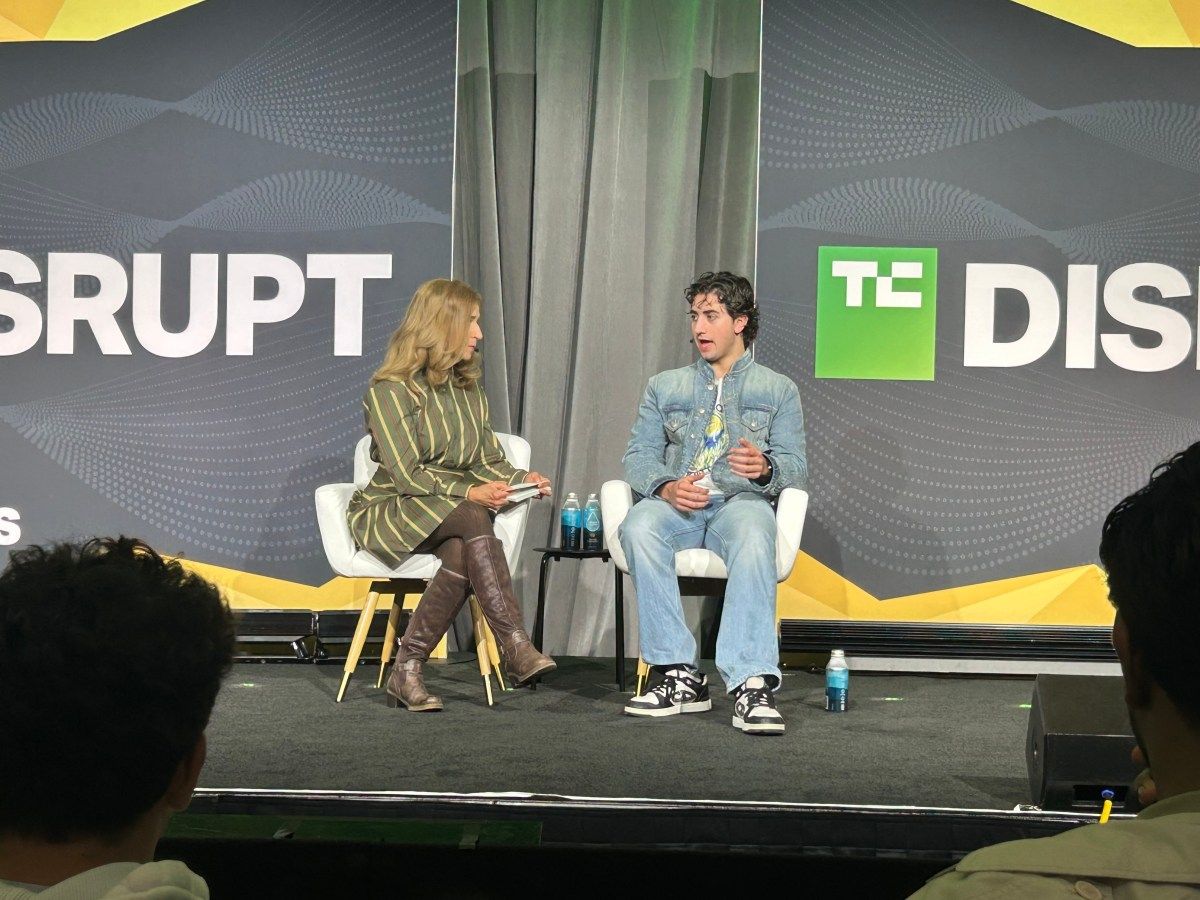
Zach Yadegari, who recently graduated from high school, built Cal AI – an AI‑powered calorie‑tracking app – into a business that generated more than $30 million in revenue within two years. The company was acquired by MyFitness in March for an undisclosed amount.
The Key Details
- Cal AI was founded in 2024.
- Yadegari attributed the app’s rapid growth to a deliberate influencer marketing strategy: he recruited a "small army" of influencers, paying them based on measurable reach.
- An early test showed that a single influencer post drove roughly 1,000 new users over two days, confirming a linear but fast conversion pattern.
- The team negotiated fixed payouts with influencers, many of whom Yadegari described as "broke college kids" seeking cash, and required them to hit agreed‑upon usage targets before receiving payment.
- Success depended on finding influencers with tight, quantifiable communities whose audience could be tracked accurately.
- Yadegari also mentioned his family’s support and downplayed the value of a traditional college education for his entrepreneurial path.
- After the acquisition, Yadegari launched Persona, a new AI agent startup that has already secured $10 million in funding. He said Persona’s goal is to make computing seamless with human life, with the assistant living across iMessage, apps, email, phone calls, and eventually a hardware ecosystem.
Why It Matters
The Cal AI case shows how a tightly controlled influencer‑payment model can translate directly into user growth and revenue for a consumer‑facing AI product. By tying compensation to measurable outcomes, the company turned marketing spend into a predictable acquisition channel, a tactic that may be relevant for other startups seeking scalable user acquisition without relying solely on broad brand advertising.
What It Means for Readers
- Entrepreneurs and marketers can see a concrete example of performance‑based influencer deals that scale linearly with output.
- Users of health‑and‑fitness apps may benefit from the continued development of AI‑driven tools like Cal AI, now backed by MyFitness’s resources.
- Developers interested in AI agents have a fresh data point in Persona’s funding round and its ambition to embed an assistant across multiple communication channels.
What Happens Next
Yadegari’s focus has shifted to Persona, which aims to create a pervasive AI assistant that works wherever there is an internet connection. The stated plan to build a "hardware ecosystem" around the app suggests future product expansions beyond software, though no timelines or specifics have been shared.
VANTIX Takeaway
Cal AI’s rapid rise underscores that, for AI‑powered consumer apps, a disciplined influencer strategy that pays for measurable results can drive fast user growth and significant revenue – a playbook worth noting for founders looking to scale quickly in competitive markets.


