# What Happened
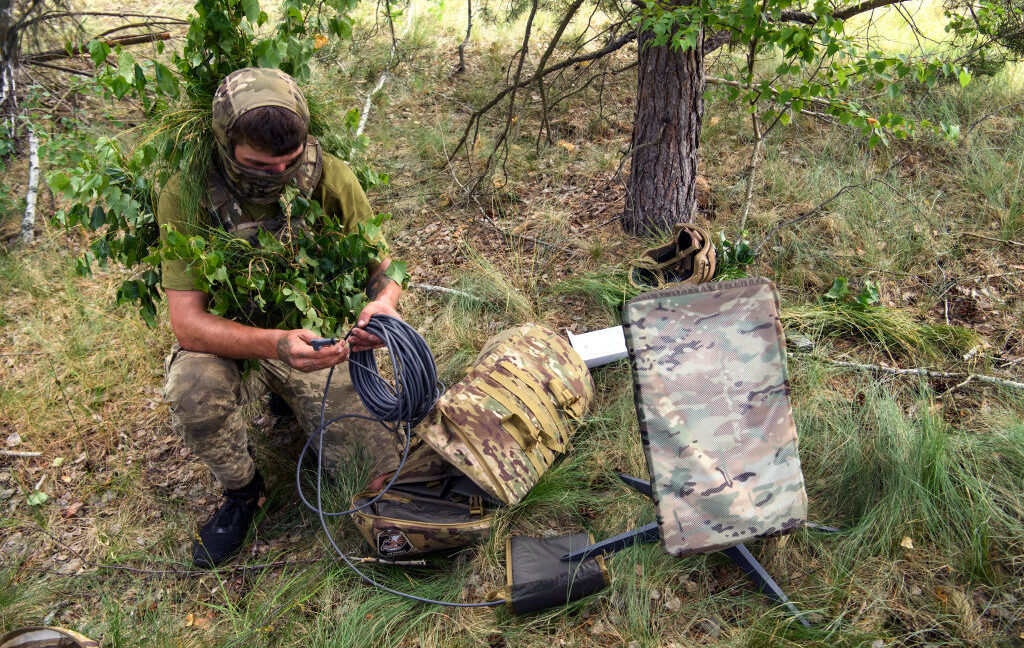
Ukrainian forces have been caught off guard by sudden Starlink satellite‑internet throttling that is interrupting drone operations and frontline logistics. The disruptions began early Wednesday morning when terminals used by Ukrainian drone units started losing signal at speeds above 160 km/h. At the same time, Kyiv received no warning about Russian missile attacks on its energy infrastructure for a second consecutive day.
The Key Details
- Signal failures: Starlink terminals used by Ukrainian drone units began experiencing signal failures at speeds above 160 km/h, disrupting several missions.
- Impact on logistics: A senior Ukrainian official said logistics at the frontline and middle strikes are "badly limited" with "no warning, just in the middle of the night."
- Drone and defense effects: Defense ministry adviser Serhii Beskrestnov reported that long‑range drone operations and Ukraine’s ability to defend against Russia’s new jet‑powered drones were both affected, because Starlink is used on interceptors being developed to counter those threats.
- Political context: Beskrestnov suggested the throttling is not coincidental and is linked to the current political situation.
- U.S. pressure: President Donald Trump has increased pressure on Ukraine to stop drone strikes on Russian oil refineries and threatened to cut off vital intelligence sharing. Trump also blames Ukraine for rising global diesel prices, a claim analysts attribute largely to the U.S. war with Iran.
- Intelligence gaps: The lack of advance warning about Russian missile strikes, combined with the unexpected Starlink restrictions, has heightened concerns in Kyiv about the reliability of U.S. support.
Why It Matters
The Starlink outages expose a critical vulnerability in Ukraine’s reliance on a commercial satellite network for military communications. Disruptions affect not only drone missions but also the development of interceptor systems meant to counter new Russian jet drones. The timing of the throttling, amid escalating Russian attacks on energy infrastructure and heightened U.S. political pressure, raises questions about the stability of a key technology that has been central to Ukraine’s defense capabilities.
What It Means for Readers
- For technology users: The incident shows that satellite‑internet services can be sensitive to high‑speed environments, a factor that may influence the design of future field equipment.
- For military planners: It underscores the risks of depending on a single commercial provider for mission‑critical communications, especially when geopolitical tensions shift.
- For policymakers: The situation highlights how foreign policy decisions can directly impact the availability of technology that allies rely on in conflict zones.
- For the broader public: It illustrates the intersection of commercial technology, international security, and diplomatic pressure in modern warfare.
What Happens Next
Ukrainian officials have not announced concrete steps to mitigate the Starlink issues or replace the service. The ongoing conflict and the political dynamics with the United States will likely determine whether additional support or alternative connectivity solutions become available.
VANTIX Takeaway
Starlink’s reliability has become a linchpin for Ukraine’s defense, and the recent throttling—combined with intelligence gaps and U.S. political pressure—creates a precarious situation. Readers should understand that commercial satellite services, while powerful, are not immune to external influences and may be vulnerable to both technical and political disruptions.


