A New Hollywood Narrative on Tech Power
Hollywood is turning a sharper, more skeptical eye toward Silicon Valley. A cluster of 2026 films is departing from the mythologizing tone of earlier tech dramas to examine the real-world consequences of unchecked founder ambition.
These projects—ranging from Aaron Sorkin’s The Social Reckoning to Nathan Fielder and Lance Oppenheim’s You Can See Everything, Alex Gibney’s Musk documentary, and Luca Guadagnino’s Artificial—are less interested in celebrating innovation than in scrutinizing its fallout.
The Films and Their Subjects
- The Social Reckoning frames Mark Zuckerberg as a figure whose drive for growth threatens democratic institutions, drawing on whistleblower Frances Haugen’s allegations to explore Meta’s influence on teen mental health and misinformation.
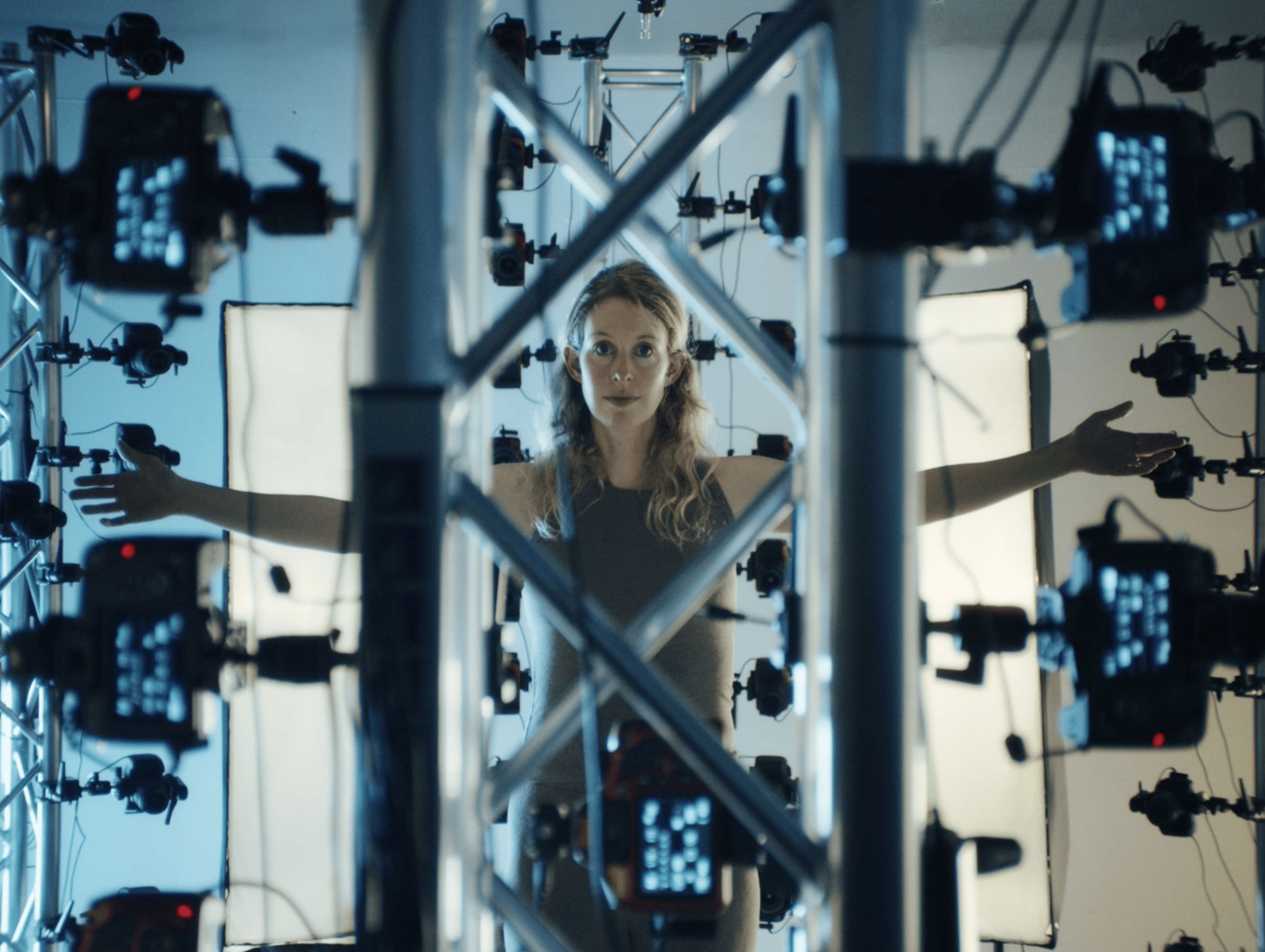
- You Can See Everything offers a intimate, confrontational look at Theranos founder Elizabeth Holmes, following her as she prepares to serve an 11-year prison sentence. Fielder embeds himself in her daily life, questioning whether her claims of transparency are genuine or performative.
- Musk, Gibney’s documentary, traces Elon Musk’s rise and probes why the public allowed him to accumulate such influence across government and technology sectors.
- Artificial, a dark comedy, portrays OpenAI’s Sam Altman as a manipulative sociopath, critiquing the culture of AI development.
Industry Pushback and Marketing Hurdles
Several of these films have faced unusual resistance from platforms and studios. Musk blocked advertising for his documentary on X and threatened legal action. TikTok initially refused to run ads for Musk, though Meta and YouTube later reversed their decisions.
Amazon unexpectedly withdrew from distributing Artificial in June 2026, shortly after announcing a $50 billion investment in OpenAI. The timing has raised questions about whether studios with financial ties to AI companies are hesitant to release critical portrayals.
Cultural Shift, Not Box Office Success
While many of these films have underperformed at the box office, their collective presence signals a cultural recalibration. Where The Social Network (2010) depicted Zuckerberg as a misunderstood genius, these newer works frame tech leaders as figures whose power demands accountability.
As real-world issues like AI integration and government-tech partnerships continue to evolve, these films may find renewed relevance—particularly as OpenAI’s IPO looms and public sentiment toward Big Tech remains cautious.
VANTIX Takeaway
The convergence of these films suggests that Hollywood is beginning to treat tech power not as aspirational, but as a subject worthy of critical examination. Whether they achieve commercial success or not, they reflect a growing public appetite for stories that question the cost of innovation.


