What Happened
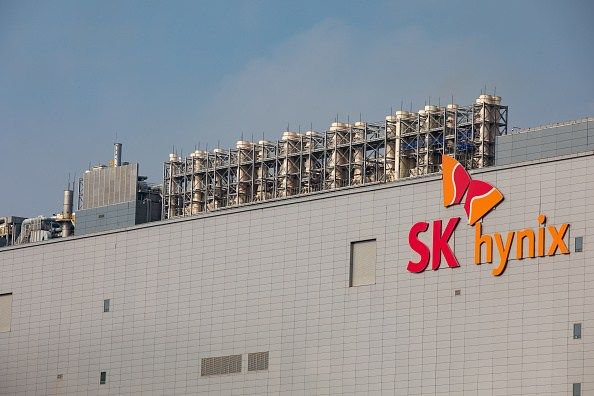
SK Hynix’s Solidigm unit is asking the U.S. government for permission to send more chipmaking equipment to its Dalian, China facility. In return, Solidigm says it would continue work on a planned NAND flash memory chip factory in the United States, with upstate New York being examined as a possible location.
The Key Details
- Solidigm wants to install additional equipment in spare space at SK Hynix’s Dalian Mod B plant to boost NAND chip production.
- SK Hynix told TechCrunch it is not seeking to expand capacity at the Dalian Mod B facility, which was completed in 2023, and said the equipment work is being done in consultation with and under authorization from the U.S. government.
- The United States has imposed export controls on advanced chips and chipmaking equipment to China since October 2022, tightening them in 2023. In September 2025 the Trump administration revoked special export exemptions for certain SK Hynix, Samsung, and Intel sites in China, but later granted annual licenses to Samsung and SK Hynix for sending equipment to their Chinese plants.
- U.S. officials, including Commerce Secretary Howard Lutnick in July, have urged foreign chipmakers to build or expand manufacturing capacity in America.
- NAND flash chips are used in solid‑state drives that appear in laptops, smartphones, and AI data centers. TrendForce expects NAND prices to rise 15% to 20% in the fourth quarter.
- Solidigm is reportedly preparing for a 2027 U.S. IPO that could raise around $10 billion and value the unit at up to $100 billion.
Why It Matters
The request illustrates how companies are navigating the competing pressures of U.S. national‑security export rules and Washington’s push to reshore semiconductor manufacturing. By linking equipment shipments to China with progress on a U.S. factory, Solidigm is attempting to satisfy both regulatory requirements and industrial policy goals.
The situation also highlights the tight supply‑demand balance for NAND flash, which underpins storage for everything from consumer devices to AI infrastructure. Anticipated price increases could affect costs for data‑center operators and device makers.
What It Means for Readers
- Technology buyers and businesses: Potential NAND price rises may influence budgeting for servers, storage arrays, or client devices that rely on SSDs.
- Developers and AI practitioners: Steady NAND supply is important for the storage layers that support large‑scale AI workloads; any disruption could affect deployment timelines.
- Investors: The disclosed IPO plans signal Solidigm’s ambition to access public markets, which could provide insight into the valuation outlook for NAND‑focused semiconductor businesses.
What Happens Next
If the U.S. grants the requested equipment license, Solidigm could proceed with installing additional tools at its Dalian plant while continuing to evaluate the upstate New York site for a U.S. NAND factory. The company’s reported IPO preparations suggest a potential market debut in 2027, subject to regulatory approvals and market conditions.
VANTIX Takeaway
Solidigm’s maneuver shows how chipmakers are using conditional equipment exports as a lever to advance domestic factory plans amid strict U.S.–China technology trade rules, a dynamic that could shape future investment and supply‑chain decisions in the global semiconductor industry.


