What Happened
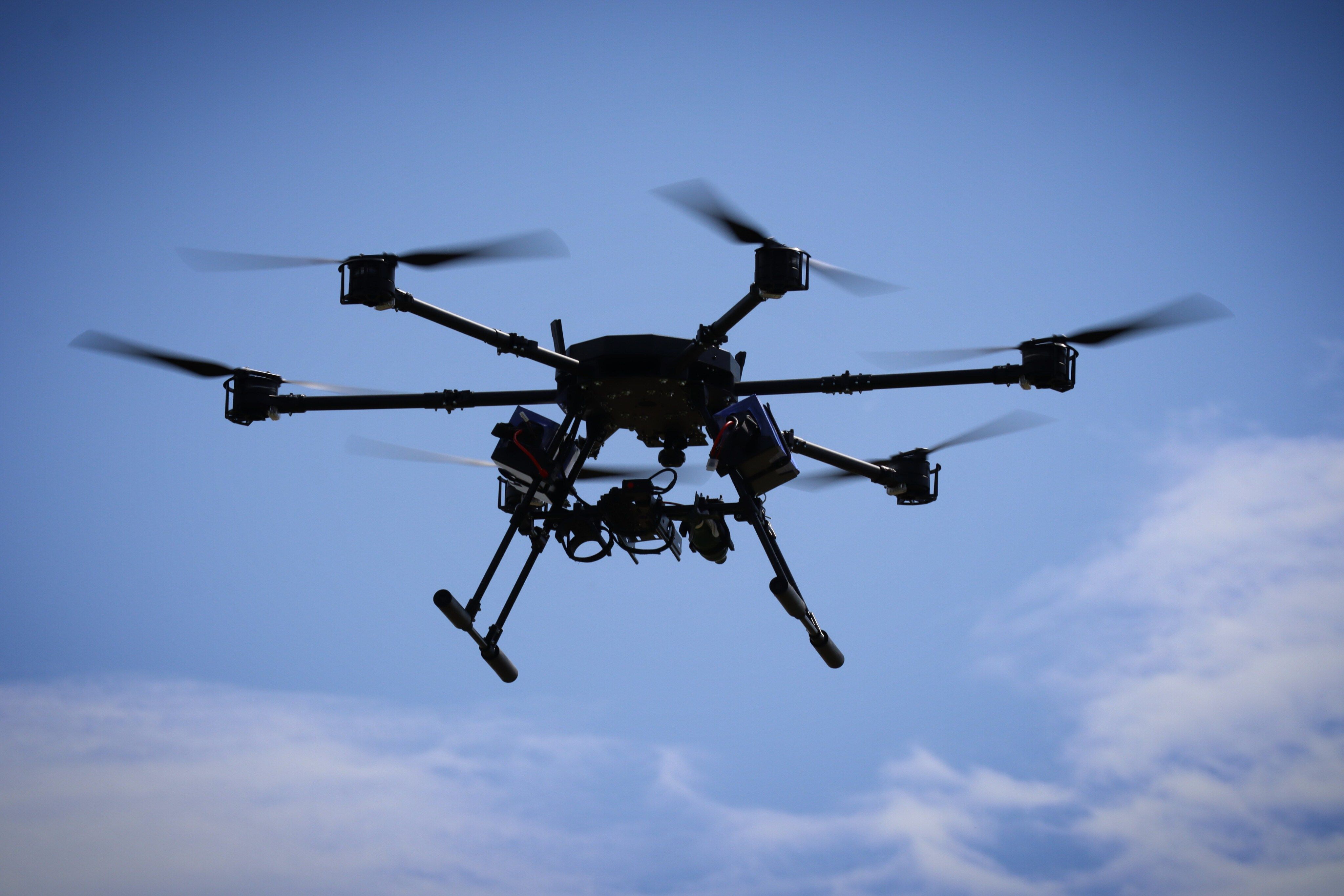
Ukrainian military drones targeted data centers belonging to Russian technology company Yandex. President Volodymyr Zelenskyy subsequently claimed the strikes had made social media "a little easier to breathe," with less hate, less division, and fewer provocations.
The Key Details
- Ukrainian forces struck Yandex data centers with military drones
- Zelenskyy said on Monday: "It suddenly became a little easier to breathe on many social platforms. There was less hate, less division, and fewer provocations."
- However, the antibot4navalny account, which tracks state-sponsored troll farms, reports bot traffic remains steady
- Danish analyst Valdemar Osted said interactions on MAGA and AfD accounts have actually increased since the strikes
- Charts purportedly showing declining bot activity appear to be AI-generated
- The drone strikes appear to have affected Yandex's web crawlers rather than disinformation or political operations
- On the same day Zelenskyy made his claims, Kremlin-aligned accounts posted videos falsely claiming experts demand the EU lift sanctions on Russia
- Some social media users reported noticing less traffic on posts by MAGA-affiliated accounts and those associated with Germany's AfD party
- Some users claimed a steep drop in spam calls and messages
Why It Matters
Zelenskyy's claim that the strikes had hindered Russian disinformation efforts suggests a connection between Yandex's infrastructure and political online operations. However, the supplied material indicates the strikes disrupted Yandex's web crawling capabilities rather than its political influence operations. The contradiction between official claims and observed bot activity raises questions about the actual impact of infrastructure targeting on disinformation campaigns. Danish analyst Valdemar Osted's observation that engagement on certain far-right accounts increased complicates the narrative of a widespread disinformation reduction.
What It Means for Readers
For technology users and social media consumers, the situation illustrates that infrastructure disruptions do not always produce the expected effects on online content moderation or political influence. The discrepancy between official statements and measured bot activity suggests readers should approach claims about social media improvements with skepticism, particularly when they come from wartime officials without independent data to support them. For developers and platform engineers, the Yandex case demonstrates how targeting data centers can have unintended consequences—here potentially impairing web indexing while leaving political influence networks intact.
What Happens Next
The supplied material does not include official timelines, follow-up statements, or announced responses from either side. Readers should watch for additional statements from Ukrainian officials regarding the campaign's objectives and any further developments in the relationship between infrastructure targeting and information operations.
VANTIX Takeaway
The aftermath of the Yandex drone strikes reveals that the relationship between physical infrastructure attacks and digital disinformation outcomes is neither simple nor automatically causal. Zelenskyy's optimistic assessment of reduced division on social media appears inconsistent with independent bot traffic data, suggesting that readers should distinguish between political claims and measurable outcomes when evaluating the impact of military actions on information ecosystems.


