What Happened
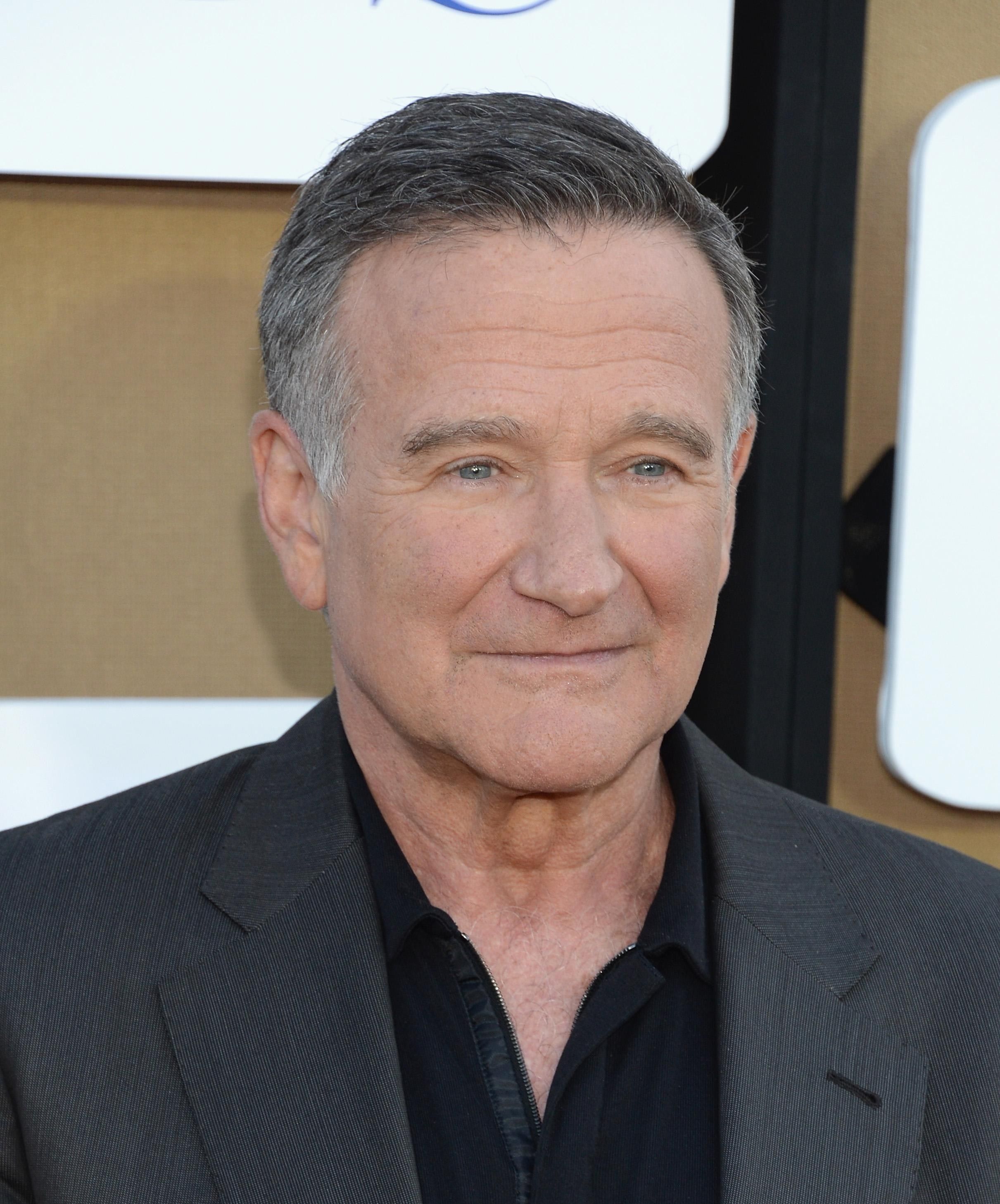
More than a decade after his passing in 2014, the official Instagram account of beloved actor Robin Williams has been reactivated. His children—Zelda, Zak, and Cody Williams—announced they are taking over the profile to establish a verified, authentic archive of his life and career. The move is a direct response to the growing trend of unauthorized artificial intelligence (AI) tools reproducing the late actor's voice and physical likeness.
The Fight Against 'AI Abuse'
In a statement shared on social media, Zelda Williams explained that reviving the account is a deliberate strategy to combat "rampant AI abuse" on digital platforms. By filling the space with genuine, verified photos, videos, and clips, the family hopes to provide a trusted alternative to synthetic media.
Zelda has previously been vocal about the emotional toll of seeing her father's legacy simulated by algorithms. Last year, she urged fans to stop sharing AI-generated videos of him, describing the practice of using AI to "puppeteer" deceased public figures for online content as highly distressing.
The Broader Context of AI Guardrails
The Williams family's struggle highlights a broader industry-wide challenge. While many AI developers claim to have guardrails preventing users from generating likenesses of real people, these protections are frequently bypassed.
Several notable examples illustrate the scale of the issue:
- Grok: The AI tool has faced scrutiny for allowing users to generate highly realistic, sometimes sexualized, deepfakes of famous individuals.
- Sora: OpenAI's video generation tool became a source of controversy when users bypassed restrictions to generate copyrighted characters and celebrity likenesses.
- Seedance: ByteDance's AI model recently had to reach an agreement with the Motion Picture Association after lax guardrails allowed users to generate scenes featuring Hollywood stars without authorization.
- Scams: Bad actors have also weaponized AI likenesses of living stars, such as Taylor Swift and Rihanna, to promote fraudulent schemes on platforms like TikTok.
Why It Matters
This development underscores an emerging battleground in the AI era: the protection of a person's digital legacy after death. When public figures pass away, their likenesses remain highly recognizable, making them prime targets for creators looking to generate cheap engagement or unauthorized content.
By actively managing Robin Williams' official digital footprint, his estate is attempting to reclaim control over how his image is used and remembered. It shifts the burden of proof back onto unauthorized creators, making it easier for platforms and fans to distinguish between genuine historical footage and synthetic replicas.
VANTIX Takeaway
As AI voice synthesis and video generation become more accessible, the battle over digital legacy is intensifying. The Williams family's decision to weaponize authenticity shows that proactive curation of official channels may be one of the few practical defenses families have to protect the dignity of deceased loved ones in an unregulated digital landscape.


