What Happened
Petra Power, a startup founded in 2017, is commercializing solid oxide fuel cells that turn natural gas into electricity without burning the fuel. The company’s ceramic devices are designed to be more efficient and environmentally friendly than traditional power generation methods, targeting two primary markets: data centers and the U.S. Defense Department. Petra Power’s founder, Aaron Goodman, says the fuel cells offer significantly lower fuel costs and emissions while occupying less physical space because they are compact and lightweight. The company has already attracted nearly $9 million in contracts from the Defense Department and is preparing for its first customer deployments in 2028, with full‑scale production slated for 2029. Petra Power was recently selected for this year’s TechCrunch Startup Battlefield 200, a program that spotlights emerging technology companies.
The Key Details
- Product: Solid oxide fuel cells – ceramic devices that extract electrons directly from fuel (e.g., natural gas) without combustion.
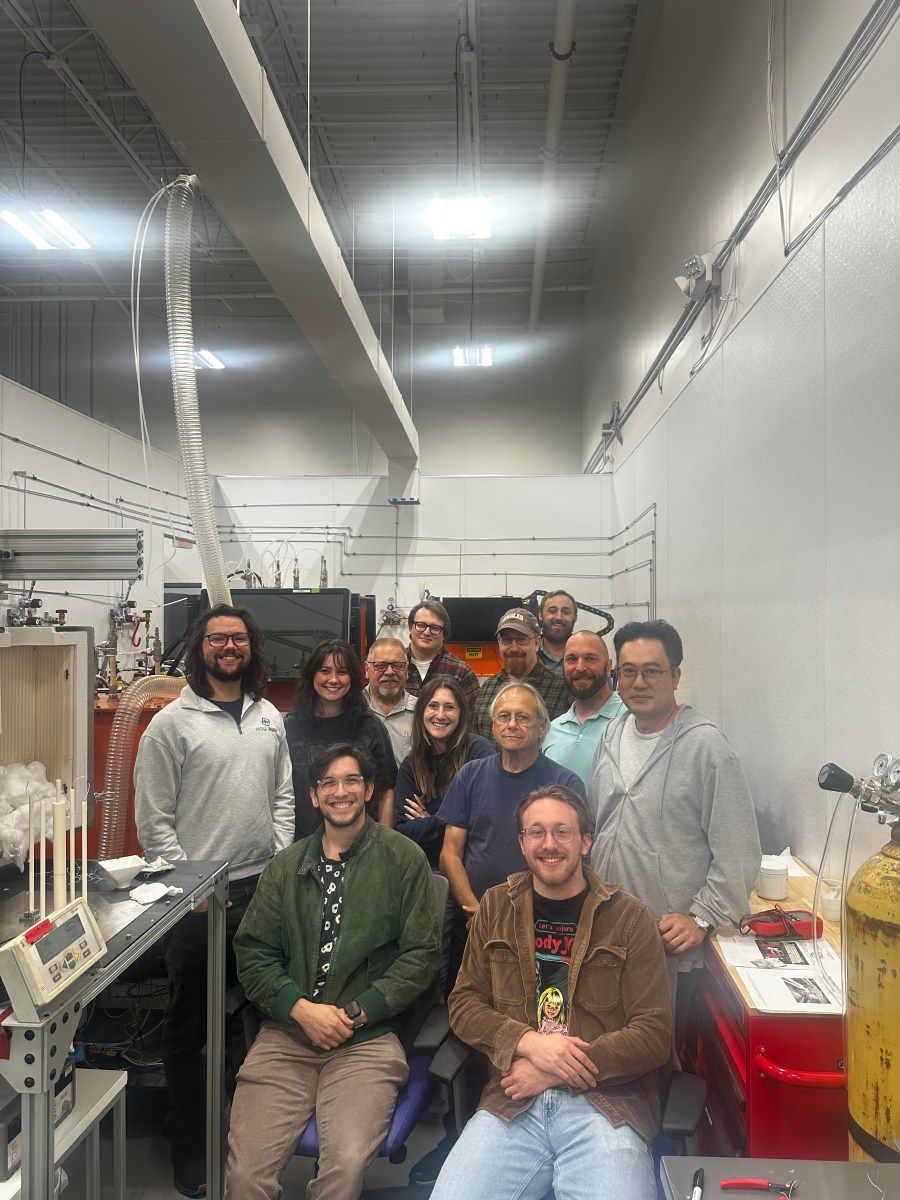
- Founder & Team: Aaron Goodman leads a small but growing team of about 15 people.
- Efficiency Claim: By skipping the multi‑step combustion process, the fuel cells claim “one step, no loss,” resulting in much higher theoretical efficiency.
- Cost & Emissions: Goodman states the cells deliver lower fuel costs and emissions compared with conventional power sources.
- Footprint: The cells are more compact and lightweight than traditional generators.
- Target Customers:
- Data Centers: Petra is working with neoclouds and other mid‑tier infrastructure providers, aiming for first deployment in 2028. Hyperscalers are an ideal long‑term market but no firm agreements exist yet. - Defense Department: The fuel cells are intended for auxiliary power in land vehicles. The technology is currently in a testing phase; no live‑vehicle deployments have occurred.
- Funding & Contracts: Approximately $9 million in Defense Department contracts have been awarded so far.
- Timeline: First customer deployments projected for 2028; full‑scale production targeted for 2029.
- Recognition: Selected for TechCrunch’s Startup Battlefield 200, scheduled to take place at Moscone West in San Francisco.
Why It Matters
The tech industry’s appetite for electricity is surging as artificial intelligence workloads expand. Traditional power generation for data centers relies on combustion, which is inherently inefficient and produces significant heat and emissions. Petra Power’s solid oxide fuel cells could offer a more direct, loss‑free method of generating electricity, potentially reducing both operating costs and environmental impact. For the Defense Department, lighter, more efficient auxiliary power could improve vehicle range and reduce logistical burdens. While the technology is still in early commercial stages, its success could provide a blueprint for cleaner, cheaper power in two high‑growth sectors.
What It Means for Readers
- Data‑center operators: If Petra’s claims hold, the fuel cells could lower electricity bills and help facilities meet sustainability targets.
- Defense‑vehicle planners: The auxiliary‑power concept could reduce fuel consumption for idle vehicles, though real‑world testing is still pending.
- Tech investors and enthusiasts: Petra Power’s selection for the Startup Battlefield highlights investor interest in novel energy solutions for high‑power applications.
- Energy‑policy observers: The shift toward direct‑conversion fuel cells may influence future standards for power‑generation efficiency in both civilian and military contexts.
What Happens Next
Petra Power plans to begin deploying its fuel cells with mid‑tier infrastructure providers in 2028, aiming to prove the technology’s reliability and cost benefits. Full‑scale production is slated for 2029, after which the company hopes to expand into larger hyperscale data‑center customers and further develop defense‑vehicle applications. The firm is also continuing its testing phase with the Defense Department, working toward eventual live‑vehicle integration. Meanwhile, the startup will showcase its progress at the TechCrunch Startup Battlefield 200 event in San Francisco.
VANTIX Takeaway
Petra Power’s solid oxide fuel cells represent a promising step toward more efficient, compact power generation for data centers and defense vehicles. By converting fuel directly to electricity, the technology could cut costs and emissions while reducing the physical footprint of power systems. Although commercial rollout is still a few years away, the company’s early contracts and clear roadmap make it a company to watch as the tech industry seeks cleaner, more reliable energy sources.


