What Happened
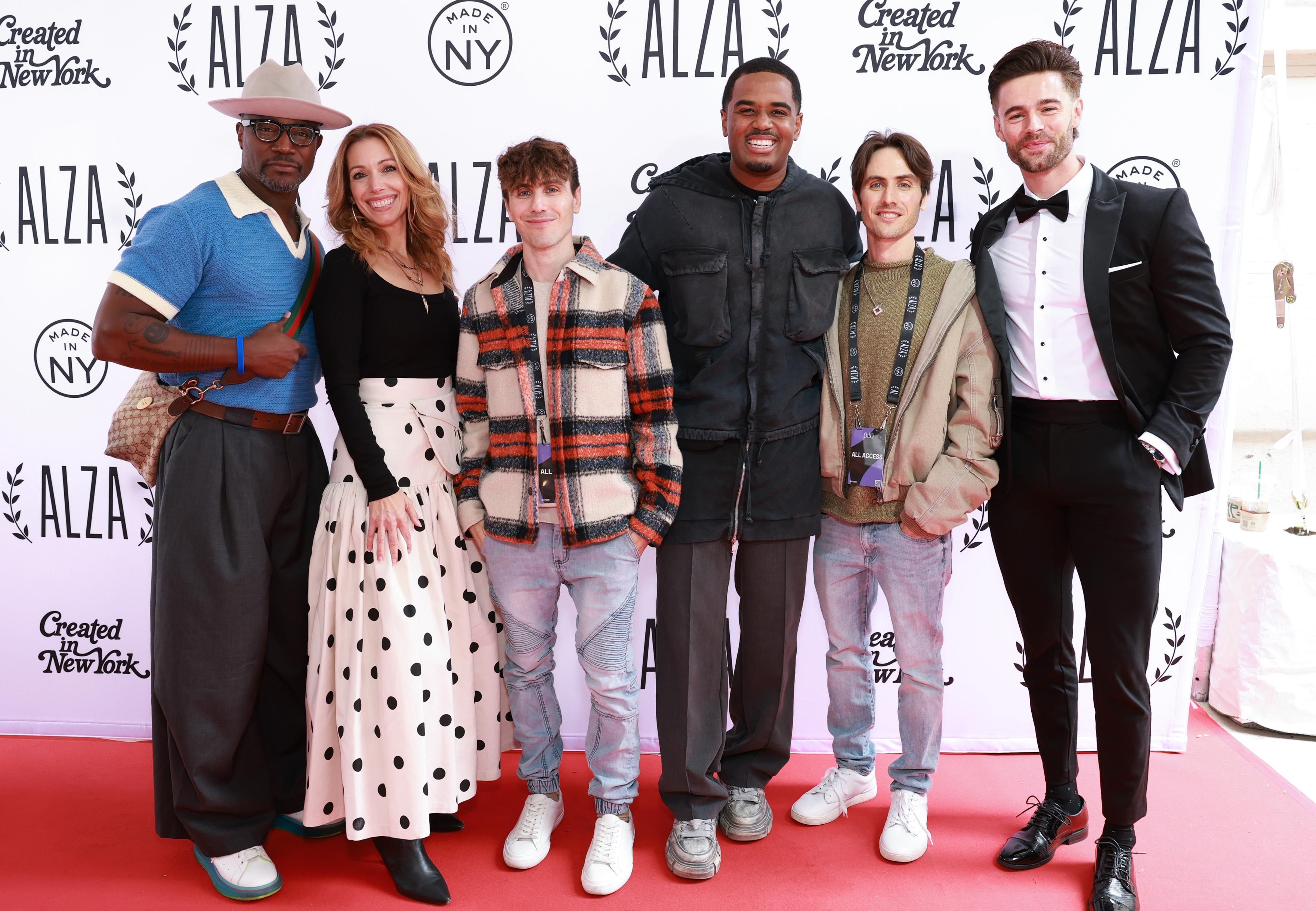
New York hosted its first microdrama film festival, Alza, which premiered vertical-format short films projected onto horizontal television screens. The event, founded by former Tribeca Festival chief operating officer Pete Torres, brought together filmmakers and creators who expressed confidence that their vertical content projects would resonate with audiences.
The Key Details
Alza is positioned as the city's first dedicated microdrama film festival. The festival featured vertical video content — a format typically associated with mobile-first platforms like TikTok and Instagram Reels — displayed on conventional horizontal TV screens. While many participating creators were optimistic about their projects' reception, the festival's central question remained unresolved: whether viewers actually want to consume vertical content on horizontal displays.
Why It Matters
The festival represents an early experiment in bridging mobile-native content formats with traditional viewing environments. Vertical video has become a dominant form of digital storytelling, but adapting it for television or cinema-style presentation introduces new creative and technical considerations. The mixed reception signals ongoing uncertainty in the industry about how mobile-first formats translate to broader audiences.
What It Means for Creators and Viewers
For content creators, Alza offers a potential new venue for vertical-format work beyond social media platforms. However, the format's success on traditional screens depends on audience willingness to engage with content originally designed for handheld consumption.
What Remains Unclear
The article does not specify attendance numbers, audience feedback, or whether the festival will return. It also leaves open whether vertical content can sustain viewer interest when removed from its native mobile context.
VANTIX Takeaway
Alza marks a notable attempt to legitimize vertical video as a festival-worthy format, but its long-term viability on traditional screens remains unproven.


