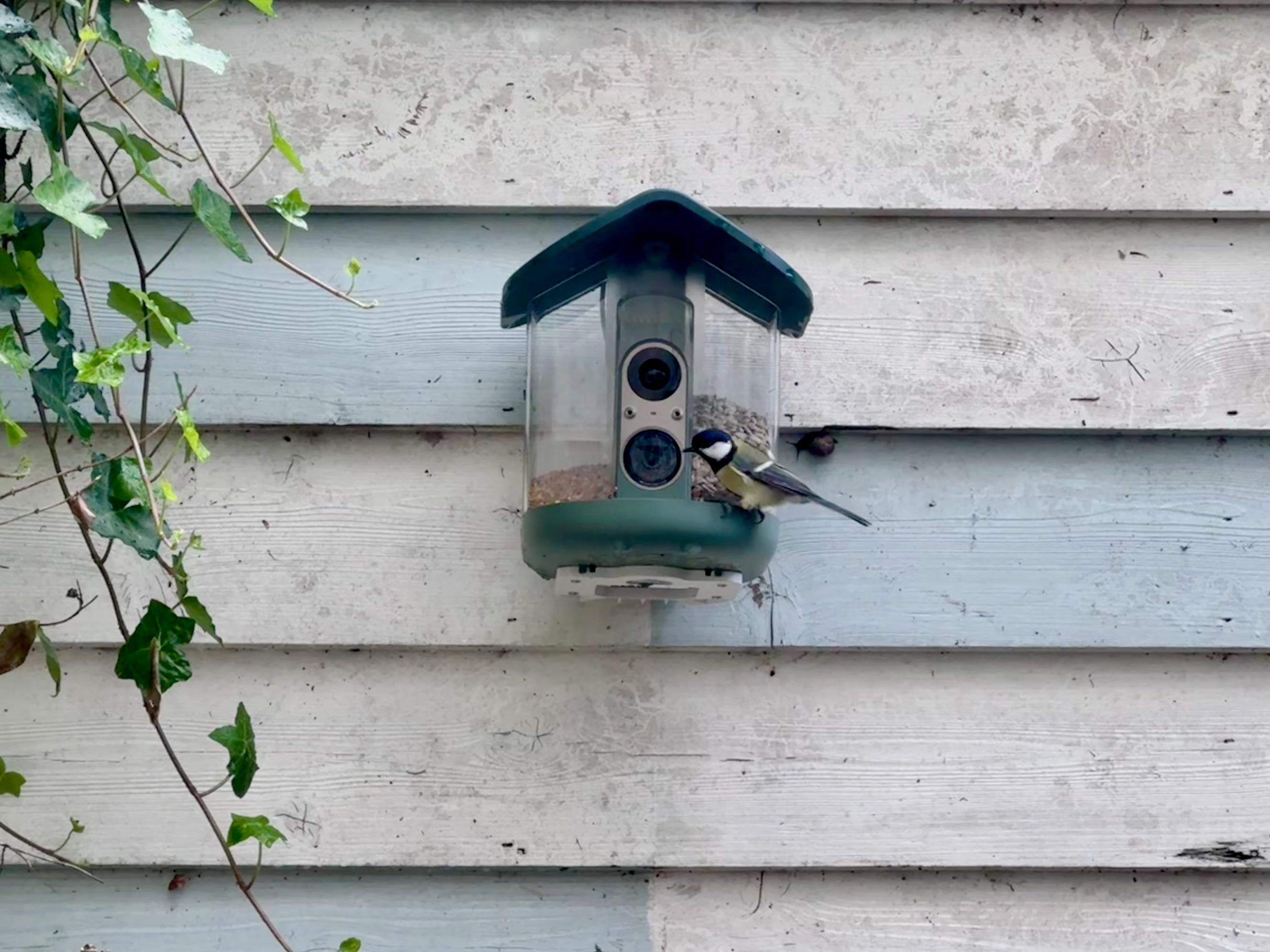
What Happened
A technology reviewer tested the Kiwibit Bird Feeder 2 Pro, a $269 smart bird feeder with 4K AI camera and solar panel. The device's artificial intelligence initially functioned as advertised, identifying small garden birds such as Great Tits and Eurasian Blue Tits from video footage sent to the owner's phone. Dozens of colorful birds were attracted to the garden in the weeks after installation, and the author enjoyed watching 4K HDR recordings and learning about visitor habits through the companion app.
The Key Details
- Product: Kiwibit Bird Feeder 2 Pro, priced at $269 (originally $350), includes a 4K HDR camera and solar panel with lifetime AI bird identification.
- Initial performance: The AI correctly identified small bird species, sending alerts like "Looks like Great Tit" and "Looks like Eurasian Blue Tit."
- The problem: A Common Wood Pigeon arrived and became a persistent presence. The pigeon was large enough to block the live camera feed, appearing as a "battleship-gray blob."
- Failed deterrent: The feeder's Nuisance Animal Alarm, designed for squirrels, did not deter the pigeon. The bird continued feeding for 15 minutes or more, even after the audible siren sounded.
- Secondary effects: The pigeon's extended feeding sessions attracted mice, which scavenged fallen seeds beneath the feeder.
- Resolution: Frustrated, the author dismounted the feeder and stored it in a closet.
Why It Matters
The experience demonstrates that even well-specified smart home devices can encounter unexpected real-world challenges. The Kiwibit feeder's AI bird identification worked correctly for its intended small-bird audience, but the system was not designed to handle larger pest birds. This raises questions about the practical limits of AI features in consumer devices that interact with unpredictable outdoor environments.
What It Means for Readers
For technology enthusiasts and consumers considering a smart bird feeder, the story suggests that premium features like AI camera identification may function well initially, but outdoor devices can be vulnerable to unanticipated pests. For everyday users, the $269 price point may feel difficult to justify if the device can be sidelined by a single persistent bird species. The article also notes that smaller, non-smart feeders might avoid these specific failure modes.
VANTIX Takeaway
Even a feature-packed, expensive smart device can be undone by simple, unplanned real-world problems that its AI wasn't designed to solve.


