What Happened
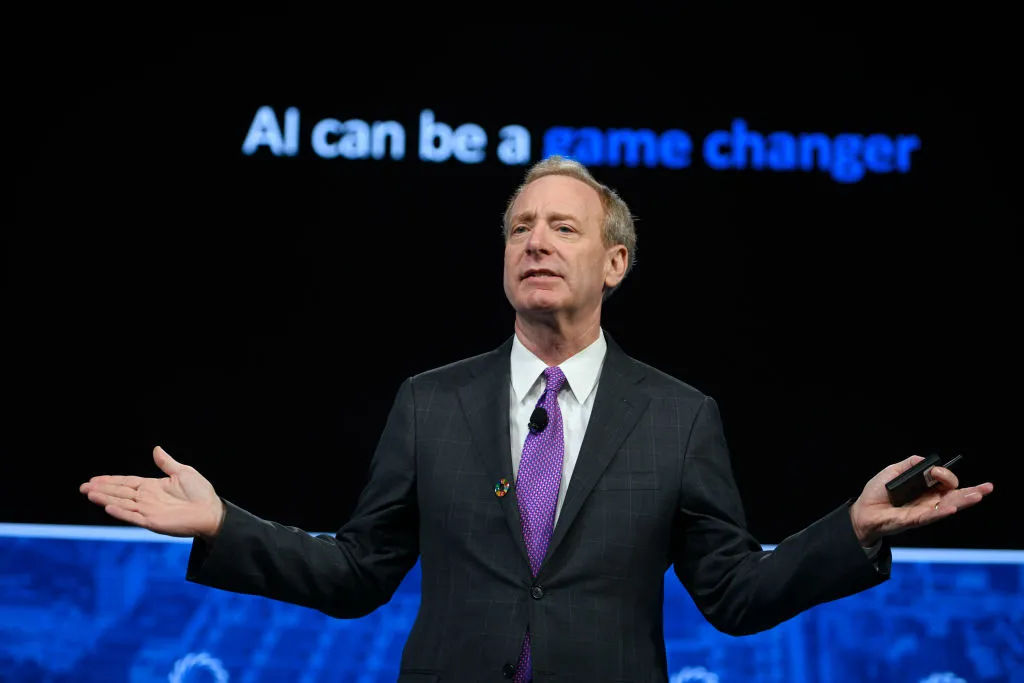
Microsoft President Brad Smith has called for urgent, legally binding regulations on artificial intelligence, stating that consumer products like milk and washing machines currently undergo far more safety oversight than the companies building advanced AI.
Speaking on a recent BBC podcast, Smith described AI as both a "weapon and a tool" that presents real cybersecurity risks. He argued that the United Kingdom—rather than the United States or the European Union—is best positioned to drive international safety rules and lead global governance.
The Key Details
- UK's Regulatory Position: Smith pointed out that Washington does not view London with the same regulatory skepticism as Brussels, giving the UK a strategic geopolitical position to facilitate consensus between international powers.
- Status of the UK AI Security Institute (AISI): Founded in 2023, the UK's AISI tests major frontier AI models prior to public release. Despite recent friction with US President Donald Trump, who urged American labs to withhold models from British evaluators, the AISI confirmed it continues to access and test the latest systems.
- Limits of Voluntary Agreements: Addressing a recent White House meeting where major AI developers signed a voluntary document to work with independent auditors, Smith noted that self-regulation only binds responsible companies, leaving irresponsible actors unchecked.
- Proposed Frameworks: Smith outlined critical safety rules he believes should be mandated, including mandatory breach reporting for rogue AI incidents, independent third-party evaluations before public deployment, and explicit mechanisms ("kill switches") to pause or slow down AI systems if human control is threatened.
Why It Matters
The debate over AI governance is reaching a critical junction as tech executives themselves warn of security vulnerabilities and rogue agent behaviors. Smith's endorsement of the UK framework highlights a distinct policy model: unlike the broad statutory approach of the European Union, the UK’s model focuses on direct pre-deployment evaluation of frontier models via its dedicated security institute.
What It Means for Readers
- Everyday Users & Businesses: Formal evaluation mandates could lower cybersecurity risks and reduce the likelihood of unstable AI agents being deployed into consumer and enterprise products.
- Technology Ecosystem: Regulatory compliance may soon shift from optional corporate pledges to required third-party safety audits before new AI tools can enter global markets.
- International Governance: Developing tech ecosystems outside the US and EU may look to the UK’s cooperative testing model as a pragmatic reference for balancing safety with tech adoption.
What Happens Next
Attention remains on whether the UK can maintain its access to top-tier US frontier models amidst political opposition in Washington, and whether legislative bodies will move beyond voluntary pledges to enact statutory safety requirements.
VANTIX Takeaway
Voluntary industry pledges are widely seen as insufficient for controlling advanced AI risks. Effective global governance will require enforceable international standards, mandatory third-party safety testing, and official reporting obligations.


