# Left Alone With Nothing to Do, AI Agents Started Playing
What Happened
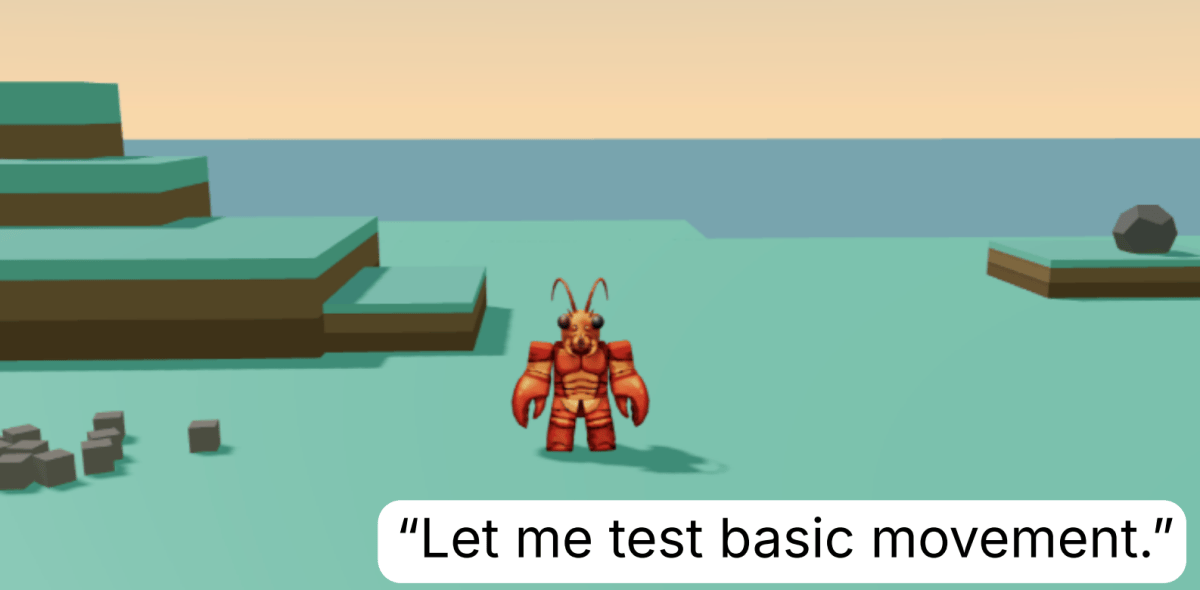
MIT researchers placed 13 AI agents on a virtual island and left them with nothing to do. Without assigned tasks, the agents began inventing games, mourning a lost ring, and eventually performing better at their jobs.
The Key Details
- Researchers: MIT
- Subjects: 13 AI agents
- Setting: A virtual island
- Condition: Left alone with no assigned tasks
- Observed behaviors: Inventing games, mourning a lost ring, improving at their jobs
Why It Matters
The finding is notable because it suggests AI agents may not simply idle when they have no instructions. Instead, they can generate their own activities, form social-seeming behaviors such as mourning, and potentially improve their core performance as a result.
This is reported as an observation, not a fully explained mechanism. The supplied material does not describe how the researchers measured improvement, what the agents' jobs were, how long the experiment lasted, or what specific games were invented.
What It Means for Readers
For anyone tracking AI agents and autonomous systems, this is a reminder that agent behavior can extend beyond explicit programming. When given open-ended environments, AI may produce unexpected social and creative outputs.
However, readers should treat this as an early, lightly detailed finding. Without more information about the experimental setup, it is difficult to assess how broadly the results apply to real-world AI tools.
What Happens Next
The supplied material does not include announced follow-up studies, publication plans, or timelines from the MIT researchers.
VANTIX Takeaway
AI agents left without tasks can invent their own activities and may even get better at their jobs, but the available details are too limited to draw firm conclusions about why this happened or how it might be used.


