What Happened
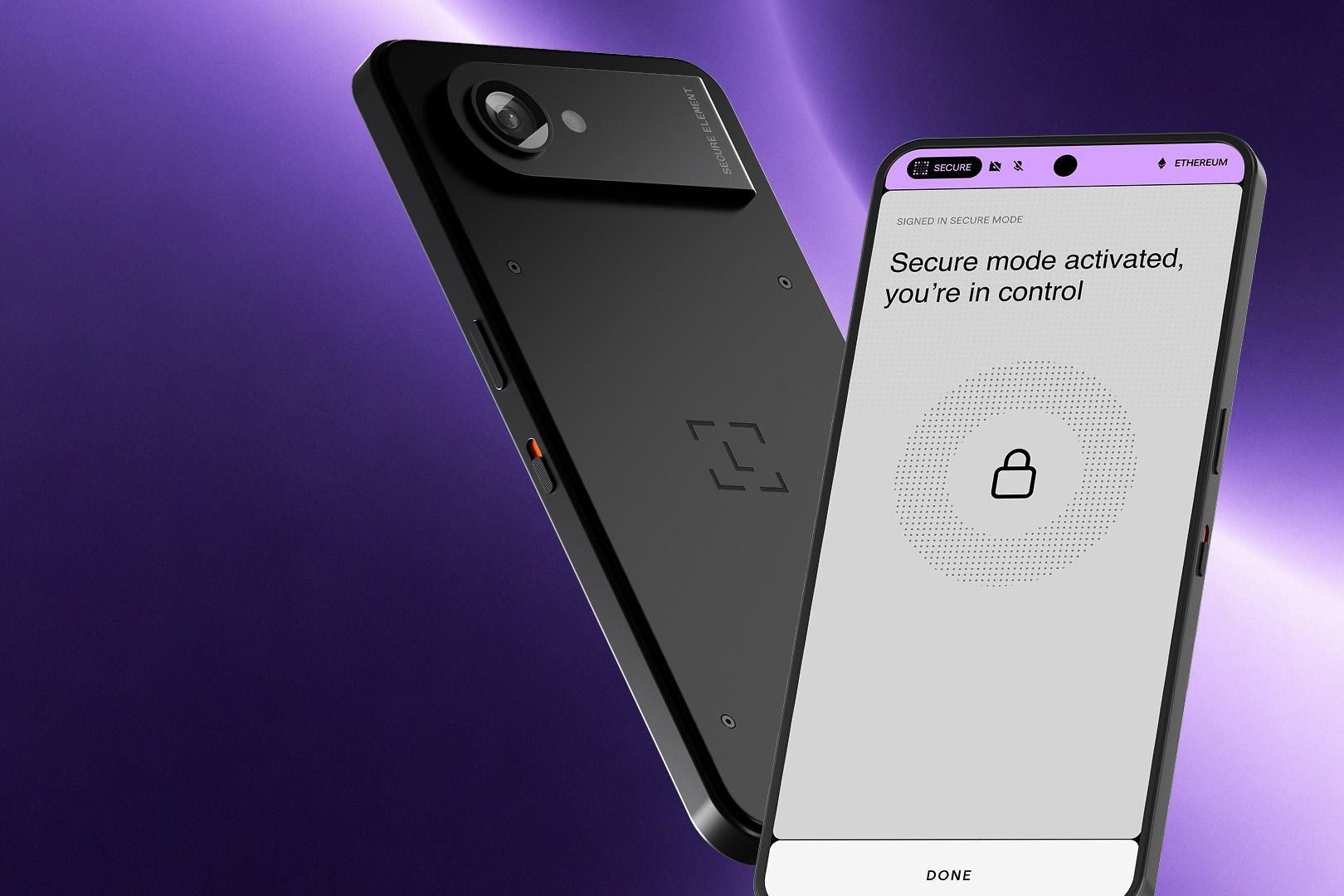
Ledger has unveiled the Atom, its most ambitious hardware wallet yet — a device that looks and operates like an Android smartphone but is built exclusively for cryptocurrency security. Unlike Ledger's previous compact signers with E Ink displays, the Atom features a 6.77-inch OLED screen, a Qualcomm Dragonwing processor, and runs a dual-OS architecture: standard Android alongside Ledger OS isolated on a secure element chip.
The announcement arrives during a significant security crisis for the company. Ledger has confirmed that at least one hardware wallet sold through a third-party reseller contained an unauthorized hardware implant capable of reading users' 24-word recovery phrases and transmitting them via eSIM. The breach has forced Ledger to halt sales across Southeast Asia and at German electronics retailer MediaMarkt, with reports suggesting over $86 million in crypto may have been stolen, though Ledger has not confirmed the total losses.
The Key Details
Device specifications and design
- 6.77-inch OLED display at 60Hz refresh rate
- Qualcomm Dragonwing chipset (not a flagship Snapdragon)
- Single rear camera, 4,000mAh user-replaceable battery
- Physical privacy switch that cuts power to camera and microphone at the circuit level
- Data-only eSIM — no support for calls or SMS
- Five years of Android OS updates, seven years of spare parts availability
Security architecture The Atom runs Ledger OS on a dedicated secure element chip, separate from the main Android environment. Users move into this hardened environment for transaction signing. The device includes three layers of anti-tampering protection:
- A protective enclosure around the Secure Element, MCU, and FPGA designed to detect drilling or physical intrusion
- Display and back cover removal detection — the back cover is cryptographically paired to the specific device
- Tamper-evident packaging that shows if the box was opened before delivery
AI agent integration Ledger has partnered with OpenClaw to enable AI agents that can prepare financial transactions without accessing private keys. Physical approval on the Atom is required to complete any transaction, maintaining the hardware wallet's core security model.
Encrypted messaging Two Atom users can exchange encrypted messages through standard Android messaging apps. Messages are decrypted only within Ledger OS on the recipient's device.
Pricing and availability
- Founder's Edition: $849 with a refundable $100 deposit (reservations open now)
- Standard price after launch: $899
- Expected availability: Summer 2027
Why It Matters
The Atom represents a fundamental shift in hardware wallet design. By adopting a smartphone form factor and full Android OS, Ledger is betting that users want a familiar, capable interface for managing digital assets — without the attack surface of a general-purpose phone. The data-only eSIM and physical privacy switch address growing concerns about remote exploitation and surveillance.
The timing, however, complicates the narrative. The supply chain attack — involving a malicious hardware implant inserted at the reseller level — demonstrates that even air-gapped devices can be compromised before they reach customers. Ledger's response with the Atom's anti-tampering enclosure and paired back cover directly addresses this threat vector, but the incident will likely make security-conscious buyers scrutinize any new hardware more carefully.
The AI agent integration signals where Ledger sees the market heading: autonomous financial agents that operate within strict hardware-enforced boundaries. If this model works, it could become a template for how AI interacts with high-value credentials across industries.
What It Means for Readers
For crypto holders: The Atom offers a more usable daily driver for active portfolio management, DeFi interaction, and secure messaging — but at $849–$899, it's a premium investment. The summer 2027 timeline means current Ledger devices (Nano S Plus, Nano X, Stax, Flex) remain the only immediately available options.
For security-conscious buyers: The supply chain breach underscores a critical lesson: purchase hardware wallets only directly from the manufacturer or authorized distributors. Third-party marketplaces and unauthorized resellers introduce unverifiable risk, regardless of the device's built-in protections.
For developers and builders: The Atom's dual-OS architecture and OpenClaw partnership suggest an emerging platform for secure AI-agent workflows. Ledger has not yet published detailed developer documentation, but the Android base implies familiar tooling.
For African users: No regional pricing, availability, or carrier partnerships have been announced. At $899, the Atom positions as a luxury security device — relevant primarily to high-net-worth individuals and institutional custodians in markets like Nigeria, Kenya, and South Africa where crypto adoption is significant but purchasing power varies widely.
What Happens Next
- Summer 2027: Target launch window for Founder's Edition devices
- Ongoing: Ledger's investigation into the supply chain breach continues; the company has not disclosed how many compromised devices reached customers or whether the implant design could affect other product lines
- To watch: Whether Ledger publishes a detailed security audit of the Atom's anti-tampering claims, and whether OpenClaw's agent framework opens to third-party developers
VANTIX Takeaway
Ledger's Atom is a bold reimagining of the hardware wallet as a secure Android computer — but it launches into a trust deficit created by a sophisticated supply chain attack. The device's anti-tampering features directly address the exploit method used against Ledger's existing products, yet the $849 price and 2027 delivery date mean most users will evaluate this promise against alternatives long before the Atom ships. For now, the most practical security step remains unchanged: buy hardware wallets only from the manufacturer.


