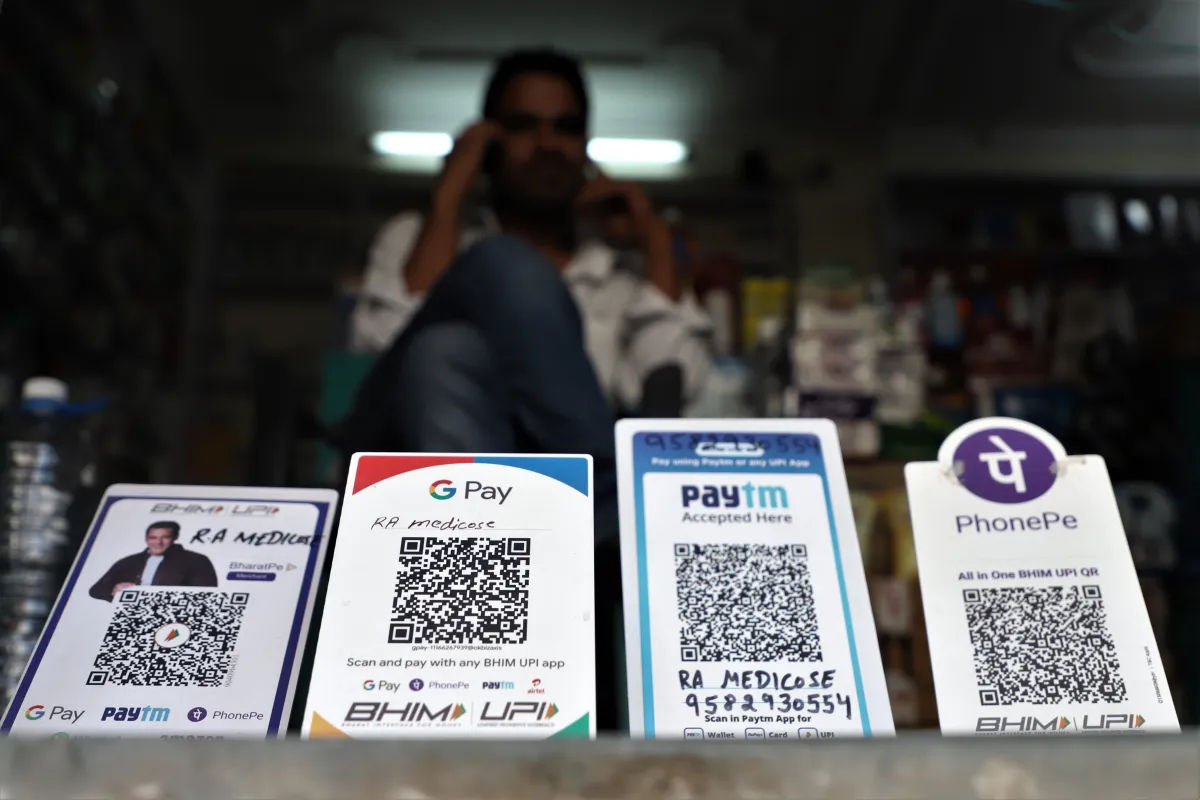
# What Happened
The operator of India’s Unified Payments Interface (UPI) announced on Tuesday that it will not enforce a new 0.4% fee on merchants for transactions above ₹2,000 as planned. NPCI cited retailer pushback and the upcoming festive shopping period as the reasons for the postponement. No replacement date has been provided, only that the fee will be introduced after Diwali.
The Key Details
- Fee structure: 0.4% of the transaction value for eligible merchants, capped at ₹300 (≈ $3) for larger purchases. Payments of ₹2,000 or less, and small merchants earning less than ₹100,000 monthly via UPI, remain exempt.
- Original schedule: The charge was set to take effect on October 15, marking a shift from India’s long‑standing policy of free merchant payments on UPI.
- Pushback: Retailers and petrol‑pump operators warned they could stop accepting UPI if the fee were applied, prompting NPCI to reconsider.
- Transaction volume: In September alone, UPI processed 24.07 billion transactions worth ₹29.37 trillion (≈ $305 billion).
- Cost context: NPCI estimates the annual operating cost of UPI at about ₹200 billion (≈ $2.1 billion), covering server capacity, fraud prevention, and technical support.
- Historical background: Merchant fees were eliminated in January 2020 to encourage digital adoption. The proposed fee would be the first significant charge since then.
- International reach: NPCI’s global arm has already rolled out UPI in Singapore, the United Arab Emirates, and France, though the fee delay does not affect those markets.
Why It Matters
The postponement highlights the delicate balance between sustaining a rapidly growing digital‑payments ecosystem and protecting the businesses that rely on it. For years, India’s free‑merchant model has driven massive adoption, but the rising transaction volumes now strain the infrastructure that supports them. NPCI’s plan to recoup costs through a modest fee reflects a broader global trend where payment networks seek sustainable revenue models. The delay also shows how retailer sentiment can shape policy, especially when timing coincides with peak consumer spending periods like Diwali.
What It Means for Readers
- Everyday users: No immediate impact on the fees you pay when using Google Pay, PhonePe, or Paytm, as the merchant charge has not yet been applied.
- Small merchants: Those processing ≤ ₹2,000 per transaction or earning < ₹100,000 monthly continue to enjoy fee‑free UPI services.
- Larger retailers: May face higher operating costs once the fee is finally implemented, potentially affecting pricing or payment options for customers.
- Fintech developers: The uncertainty around the fee’s rollout could influence product roadmaps that depend on predictable transaction costs.
- Investors and analysts: The delay signals regulatory sensitivity to stakeholder concerns, which could affect valuations of companies heavily reliant on UPI volume growth.
What Happens Next
NPCI has not announced a new implementation date, leaving the market waiting for clarification. Stakeholders are likely to monitor retailer reactions and the post‑Diwali period for any updated guidance.
VANTIX Takeaway
The most important takeaway is that India’s free‑merchant UPI model is being paused, not abandoned. The delay gives policymakers and industry participants time to refine a fee structure that balances network sustainability with the needs of merchants and consumers. Readers should watch for NPCI’s next communication after Diwali to see how the fee will be phased in and what impact it may have on the country’s digital‑payments landscape.


