What Happened
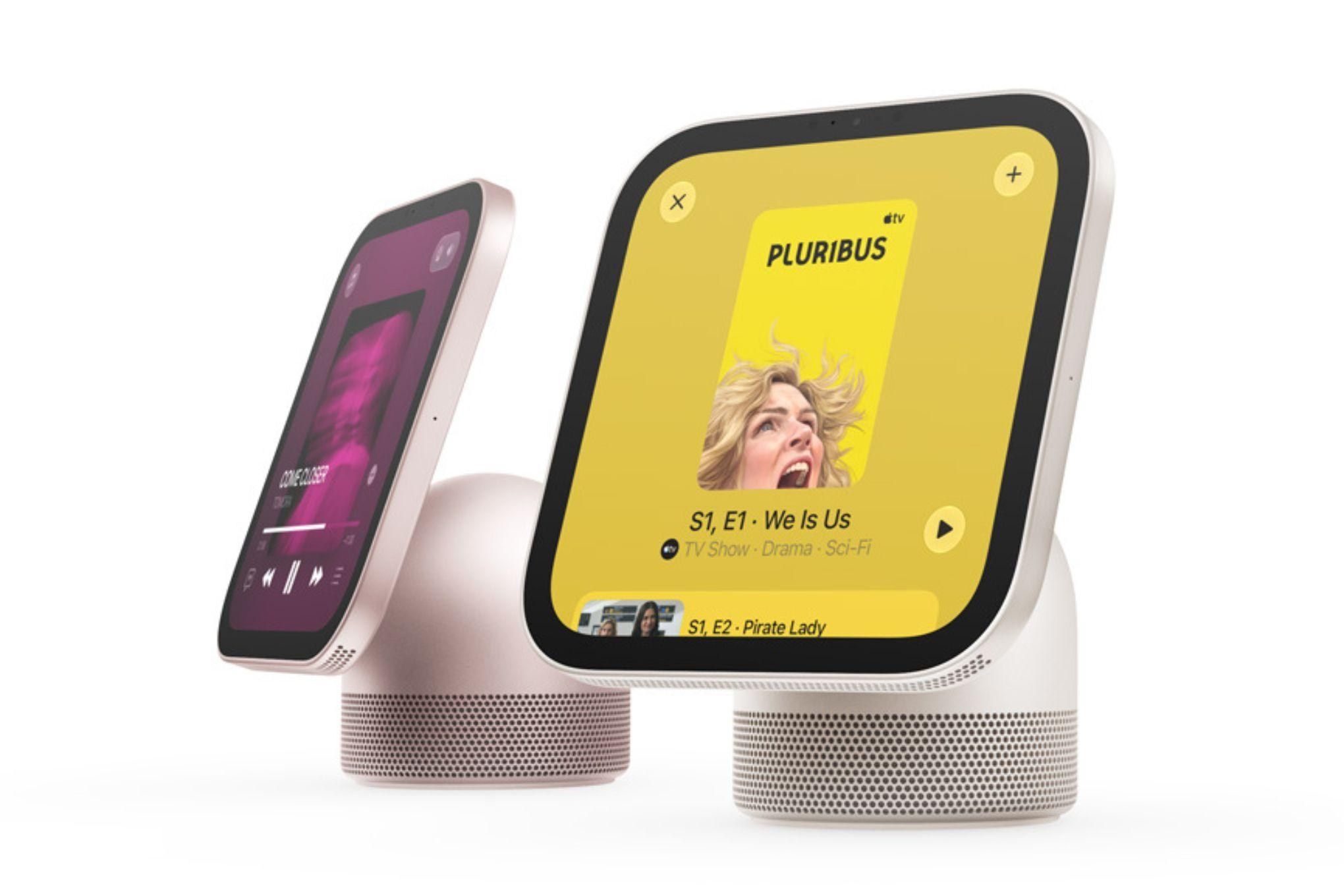
Apple's newly announced HomeView smart home hub cannot natively run video streaming applications — not even Apple's own services. According to the product's specification page, Apple TV, Apple Books audiobooks, Apple Music Classical, and Apple News Plus all require users to AirPlay content from a paired iPhone kept nearby. The requirement appears in small print on Apple's announcement page, despite Apple TV being featured in promotional imagery.
The Key Details
- No native video apps: HomeView lacks native support for any video streaming service at launch.
- Apple's own services affected: Apple TV, Apple Books audiobooks, Apple Music Classical, and Apple News Plus all require AirPlay from an iPhone.
- CarPlay-like architecture: The hub runs on Apple's A18 chip (same as iPhone 16) but its software functions more like CarPlay than iOS, iPadOS, or tvOS — dependent on a connected iPhone for many functions.
- No App Store: HomeView does not include an App Store, which is typical for smart home hubs but reinforces the CarPlay dependency.
- Competitors differ: Amazon's Echo Show and Google's Nest Hub devices natively stream Prime Video and YouTube respectively without requiring a phone connection.
- Fine print disclosure: The AirPlay requirement is noted in small print: "Select apps require a paired and compatible iPhone nearby."
- Apple contacted for comment: The Verge has reached out to Apple for clarification on why these services aren't natively supported and whether that may change.
Why It Matters
HomeView represents Apple's entry into the smart display category, a space where competitors have established native streaming as a baseline feature. The decision to require an iPhone for core Apple services creates friction for users who might expect a standalone experience, especially given the device's powerful A18 processor. The CarPlay-like architecture suggests Apple views HomeView as an iPhone accessory rather than an independent computing device — a significant philosophical difference from rival approaches.
For third-party developers, the absence of an App Store means video and audio apps must support CarPlay-style projection to work on HomeView, potentially limiting the ecosystem's growth.
What It Means for Readers
For Apple ecosystem users: If you're considering HomeView as a kitchen or bedside display for watching Apple TV+ or listening to audiobooks, you'll need your iPhone nearby and awake to stream content. This may reduce the convenience advantage over simply using an iPad or Apple TV.
For smart home buyers: The requirement distinguishes HomeView from competing hubs that function independently for media playback. Buyers should weigh whether HomeView's HomeKit integration and Apple ecosystem ties outweigh the streaming limitation.
For developers: Apps that already support CarPlay video/audio projection will work on HomeView immediately. Others will need to add that support to reach the platform.
For African markets: HomeView's availability and pricing in Nigeria and other African countries remain unannounced. The iPhone dependency may be less problematic in markets where iPhone ownership is already high among target buyers, but data costs for AirPlay streaming could be a consideration.
What Happens Next
Apple has not publicly detailed whether native app support will arrive via software updates. The Verge has requested comment on future plans. Given the A18 chip's capability, the limitation appears to be a deliberate architectural choice rather than a hardware constraint. Developers and early adopters will likely test the CarPlay projection experience once the device ships.
VANTIX Takeaway
HomeView's launch reveals a clear Apple strategy: the smart home hub is an iPhone peripheral, not a standalone computer. The A18 chip provides power, but the software model prioritizes ecosystem lock-in and privacy architecture over independent functionality. For buyers, the question isn't whether the hardware can run Netflix or Apple TV+ — it's whether you're willing to keep your iPhone tethered to use them.


