What Happened
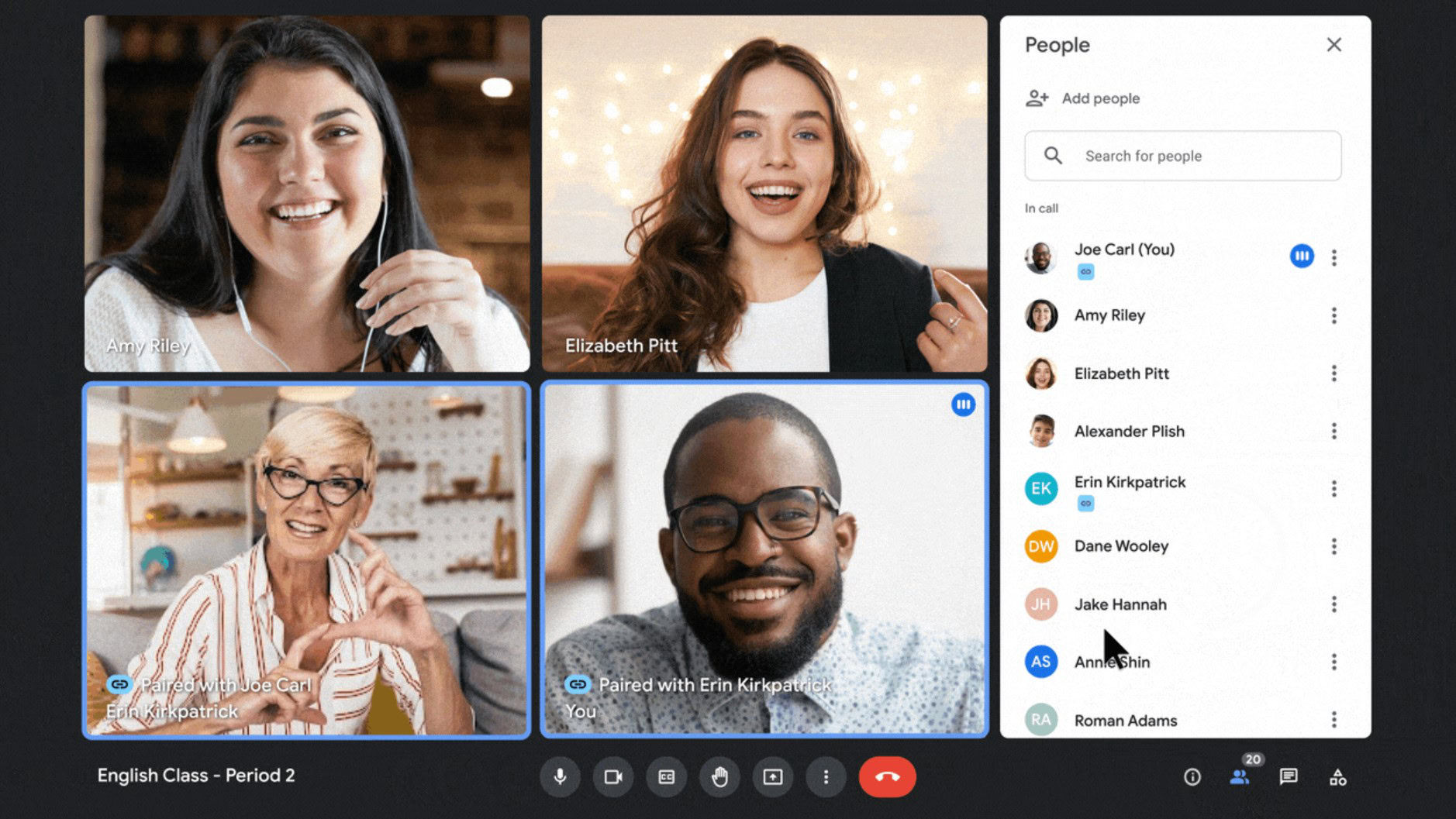
Google has rolled out Tile pairing as part of its Google Meet platform, extending an existing desktop accessibility feature to mobile devices. The new capability allows meeting participants to stay "locked together" on-screen, helping them maintain visual proximity regardless of their physical location.
This move represents Google's continued focus on inclusive communication technologies, bringing the same level of participant coordination found on desktops to smartphones and tablets used by millions of Android users worldwide.
The Key Details
Tile Pairing Explained
Tile pairing is designed to address a common challenge in virtual collaboration: when multiple people join a meeting simultaneously, it can be difficult to know where each person is positioned on the shared screen. By pairing participants into tiles, Google ensures that all attendees remain spatially aligned, making it easier to follow along with discussions or coordinate activities.
The feature leverages the existing infrastructure behind Google Meet's desktop version, adapting it for mobile interfaces where screen real estate is more constrained and network conditions vary.
Who Is Involved
- Google: The developer of Google Meet and the primary beneficiary of this cross-platform expansion.
- Android Users: Mobile device owners who use Google Meet through the Android app experience enhanced collaboration capabilities.
- Remote Teams & Individuals: People participating in virtual meetings who want to maintain visual proximity with co-participants.
How It Works
Tile pairing functions by grouping meeting participants into coordinated pairs or small groups. On mobile screens, these groups appear as unified tiles rather than individual windows, preserving the sense of proximity that is often lost in traditional multi-window setups. The implementation maintains compatibility with existing Google Meet features while adding this spatial coordination layer.
Why It Matters
This advancement addresses a practical pain point in remote and hybrid work environments. When team members are scattered across different locations and time zones, having participants stay visually connected helps reduce confusion, improves information sharing, and supports more natural group dynamics during video calls.
For users with disabilities that affect spatial orientation or navigation, tile pairing provides an additional accessibility benefit by ensuring that everyone in a meeting remains clearly associated with one another, reducing cognitive load during complex collaborative sessions.
From a business perspective, the feature enhances productivity by streamlining virtual collaboration. For developers and product teams, it demonstrates Google's commitment to accessible design across platforms—a trend that aligns with broader industry efforts to make digital workspaces more inclusive.
What It Means for Readers
For everyday technology users: If you frequently host or attend Google Meet sessions—whether for personal projects, family gatherings, or professional collaborations—this update means you can better track where participants are located on the shared screen. It reduces the frustration of losing sight of someone in a large virtual room.
For smartphone buyers and Android enthusiasts: The inclusion of Tile pairing highlights Google's ongoing investment in the Android ecosystem. As more Android devices gain access to advanced meeting features, users can expect smoother collaboration experiences without needing dedicated hardware.
For businesses: Organizations that rely heavily on virtual meetings can leverage this feature to improve team cohesion and reduce miscommunication. It's particularly valuable for distributed teams working across time zones.
For developers and creators: Understanding how Google implements accessibility features like Tile pairing can inform your own product decisions. Cross-platform consistency in meeting tools is becoming increasingly important as more apps aim to replicate desktop-level functionality on mobile.
What Happens Next
Google has announced this feature as part of its regular updates to Google Meet. No specific rollout timeline or further announcements were included in the initial report. Subsequent updates may introduce refinements to the pairing algorithm, expanded support for larger group sizes, or integration with other Android-based collaboration tools.
Users can expect the feature to become available across major Android devices running the latest versions of the Google Meet app, subject to standard software update cycles.
VANTIX Takeaway
Tile pairing brings desktop-level spatial coordination to mobile Google Meet sessions, helping participants stay visually connected during virtual meetings. While still relatively new, this feature exemplifies Google's strategy of expanding accessibility and collaboration capabilities across its Android ecosystem. For anyone using Google Meet regularly, this is a small but meaningful step toward more intuitive, inclusive virtual communication.


