What Happened
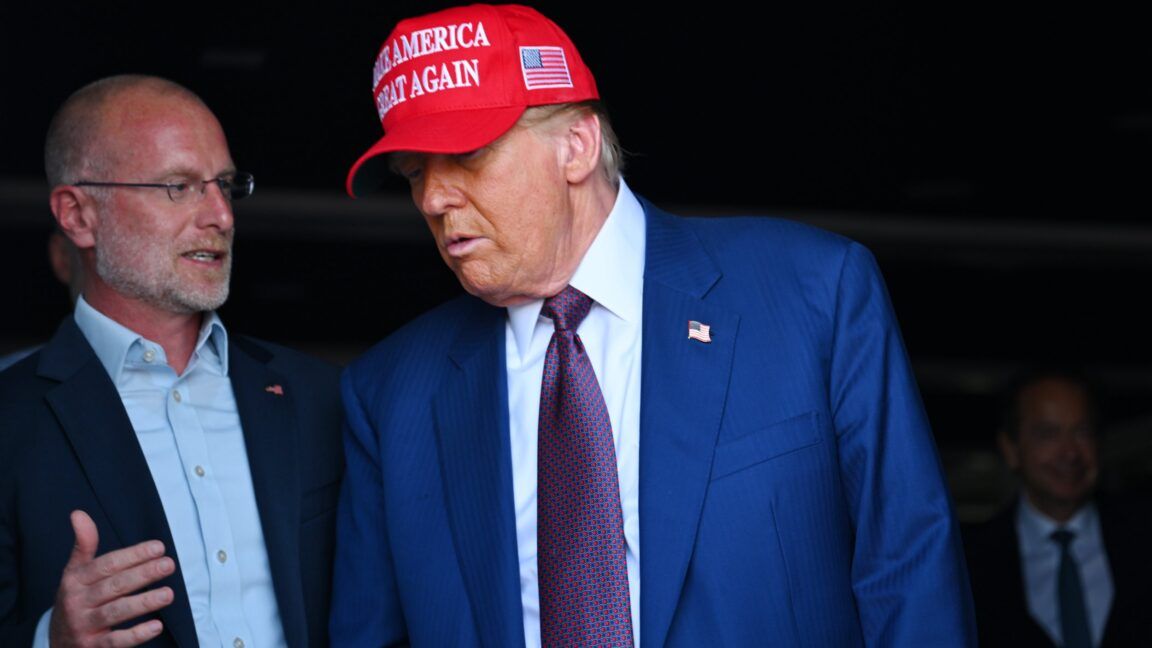
Brendan Carr, the current chair of the U.S. Federal Communications Commission, has told media outlets not to broadcast what he calls "fake polls," a phrase repeatedly used by former President Donald Trump. The warning was highlighted by a statement from several former FCC chairs who argue that the real aim is to scare broadcasters into self-censorship.
The Key Details
- Carr is the chair of the FCC, the U.S. regulator responsible for communications law, regulation and market competition.
- The warning targets polls that Trump has repeatedly dismissed as "fake."
- A coalition of former FCC chairs released a statement saying Carr's action is designed to intimidate broadcasters into avoiding certain polling data.
- The original Ars Technica report (author Jon Brodkin, published 2026-10-21) frames the development as an effort to influence media coverage of election-related polling.
Why It Matters
The FCC traditionally regulates spectrum, licensing and technical standards, not content editorial decisions. Carr's public urging of broadcasters to avoid certain polls blurs that line and raises questions about political pressure on the media. Former FCC chairs' criticism underscores concern that the agency could be used to silence unfavorable information, potentially affecting the diversity of viewpoints available to the public.
What It Means for Readers
- For ordinary news consumers, the episode signals that polling data viewed as politically inconvenient may face increased scrutiny or suppression.
- Broadcasters may become more cautious about airing election polls, especially those that conflict with a prominent political figure's narrative.
- The situation highlights the tension between regulatory authority and editorial independence, a matter that could affect how media outlets handle opinion polling in the future.
What Happens Next
No specific next steps are outlined in the available information. Readers should watch for any further FCC statements or actions related to polling or media content, as well as any legal or industry responses to the former chairs' criticism.
VANTIX Takeaway
After reading this, the most important thing to understand is that the FCC chair's public warning about "fake polls" is being interpreted by former agency leaders as an attempt to pressure broadcasters into self-censorship, underscoring the broader issue of political influence on media content.


