What happened
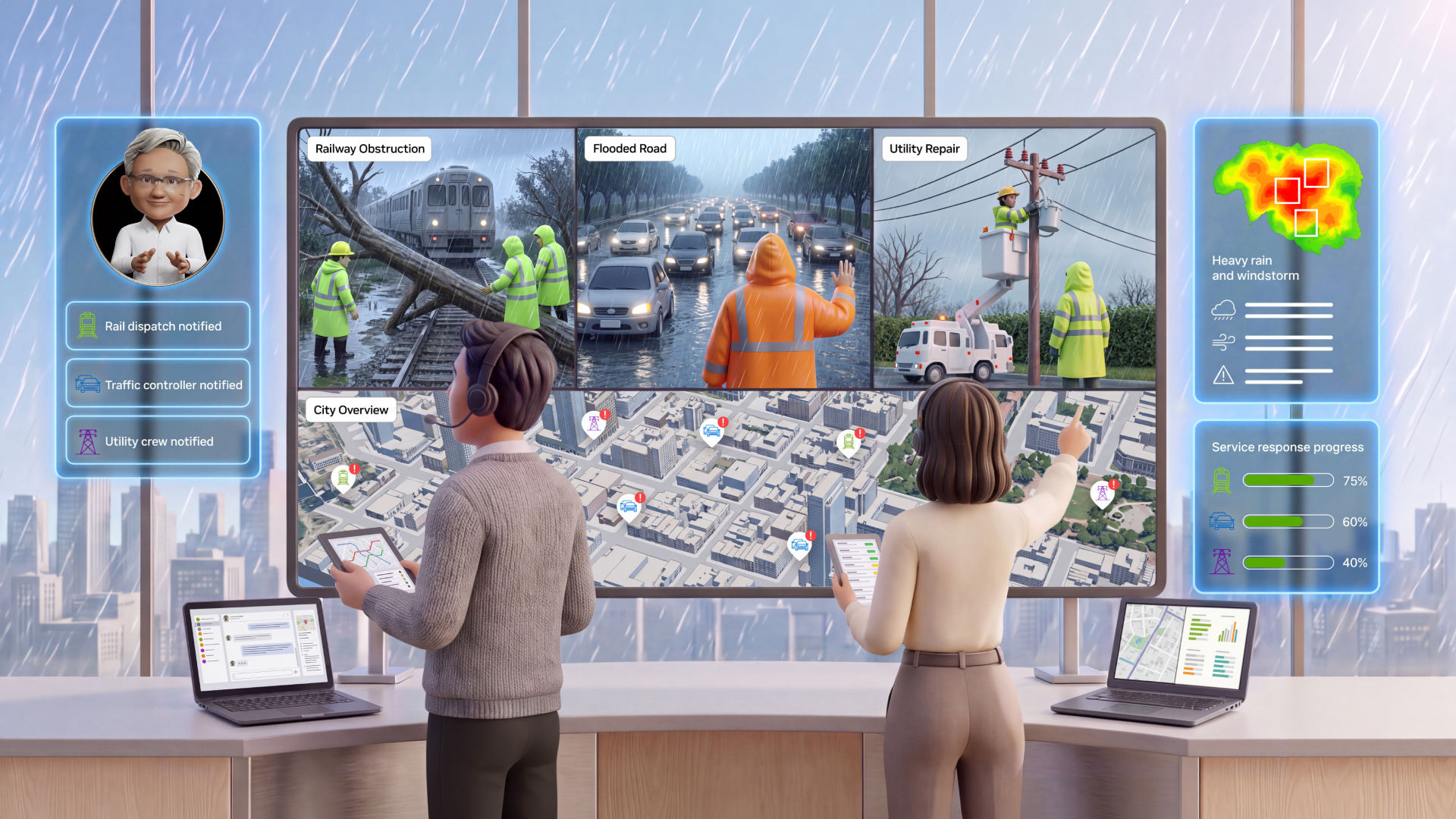
NVIDIA has highlighted how cities worldwide are beginning to build and scale AI services using what the company calls physical AI and agentic AI. The announcement comes from the company's official blog.
The challenge
Cities generate enormous amounts of data from cameras, sensors and operational systems. Turning that data into useful action for planning, maintenance and public services has remained a persistent challenge for local governments.
How the technology works
Physical AI refers to AI systems that interact with the physical world through sensors, robots or infrastructure, rather than operating only in software. Agentic AI describes AI agents that can perceive, reason and act toward goals with a degree of autonomy. Digital twins are virtual replicas of physical assets or systems that let planners simulate changes before implementing them.
Applications mentioned
NVIDIA points to three early use cases:
- Digital twins for infrastructure planning
- Vision agents that analyse camera feeds
- Service agents that assist with public-service workflows
What remains unclear
The blog summary does not name specific cities, deployments, partners or timelines. It also does not provide performance metrics, cost figures or details on how local governments are procuring or governing these systems.
The bigger picture
The announcement signals NVIDIA's push to position its hardware and software stack as the foundation for smart-city automation. Whether cities can move from pilots to sustained, accountable services will depend on procurement capacity, data governance and workforce readiness, factors not addressed in the summary.


