What Happened
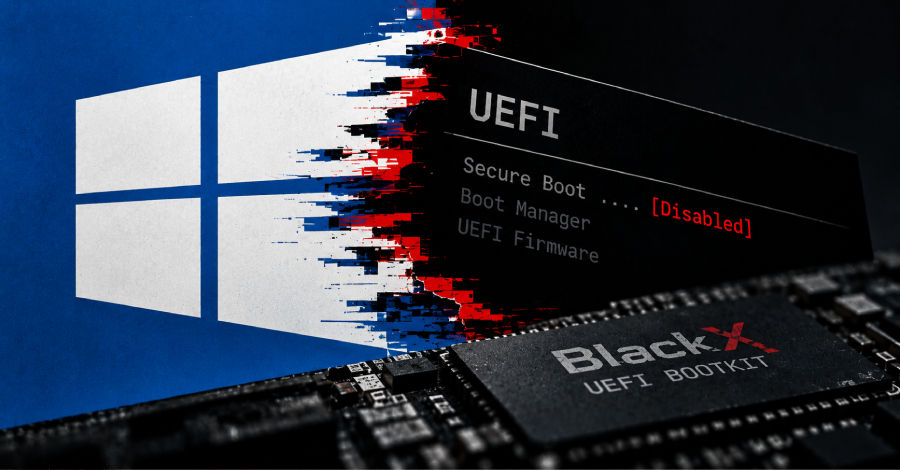
Kaspersky has detailed a sophisticated cyberespionage campaign involving a newly discovered Unified Extensible Firmware Interface (UEFI) bootkit called BlackX. The malware targeted diplomatic entities across Central Asia—specifically in Tajikistan, Uzbekistan, and Turkmenistan—in early 2026.
Kaspersky attributes the operation with moderate-to-high confidence to APT41, a prominent state-sponsored hacking collective associated with China.
The Key Details
- Pre-Boot Execution: BlackX operates at the UEFI level, executing code before the Windows operating system and endpoint security controls initialize.
- Bypassing Secure Boot: The bootkit manages to bypass Windows Secure Boot on patched systems that lack updated revocation databases (DBX lists), exploiting vulnerable signed bootloaders.
- Persistence: Because it resides within the firmware environment, the implant can survive operating system reinstalls and drive format operations.
- Attribution: The activity is linked to APT41, a threat actor known for high-value espionage campaigns globally.
Why It Matters
Firmware-level implants represent one of the highest tiers of threat severity in cybersecurity. Security tools operating within Windows rely on the integrity of the boot sequence. When malware infects the UEFI environment, it gains unmonitored control over the host system, rendering conventional antivirus software effectively blind to its presence.
Furthermore, the attack illustrates that keeping a Windows operating system patched is not always sufficient. If systems fail to update their Secure Boot Forbidden Signature Database (DBX) to revoke compromised or vulnerable drivers, attackers can continue using signed software to subvert system defenses.
What It Means for Readers
- For IT and Security Administrators: Managing system security requires maintaining hardware firmware updates and regularly enforcing DBX revocation updates alongside traditional software patches.
- For Enterprise Defenders: Organizations maintaining high-value networks should integrate firmware integrity monitoring and hardware-rooted security protections into their defenses.
VANTIX Takeaway
BlackX highlights the evolving sophistication of nation-state threat actors targeting low-level firmware. Safeguarding systems against modern bootkits requires enforcing Secure Boot revocations at the hardware and firmware level, rather than relying solely on operating system patches.


