What Happened
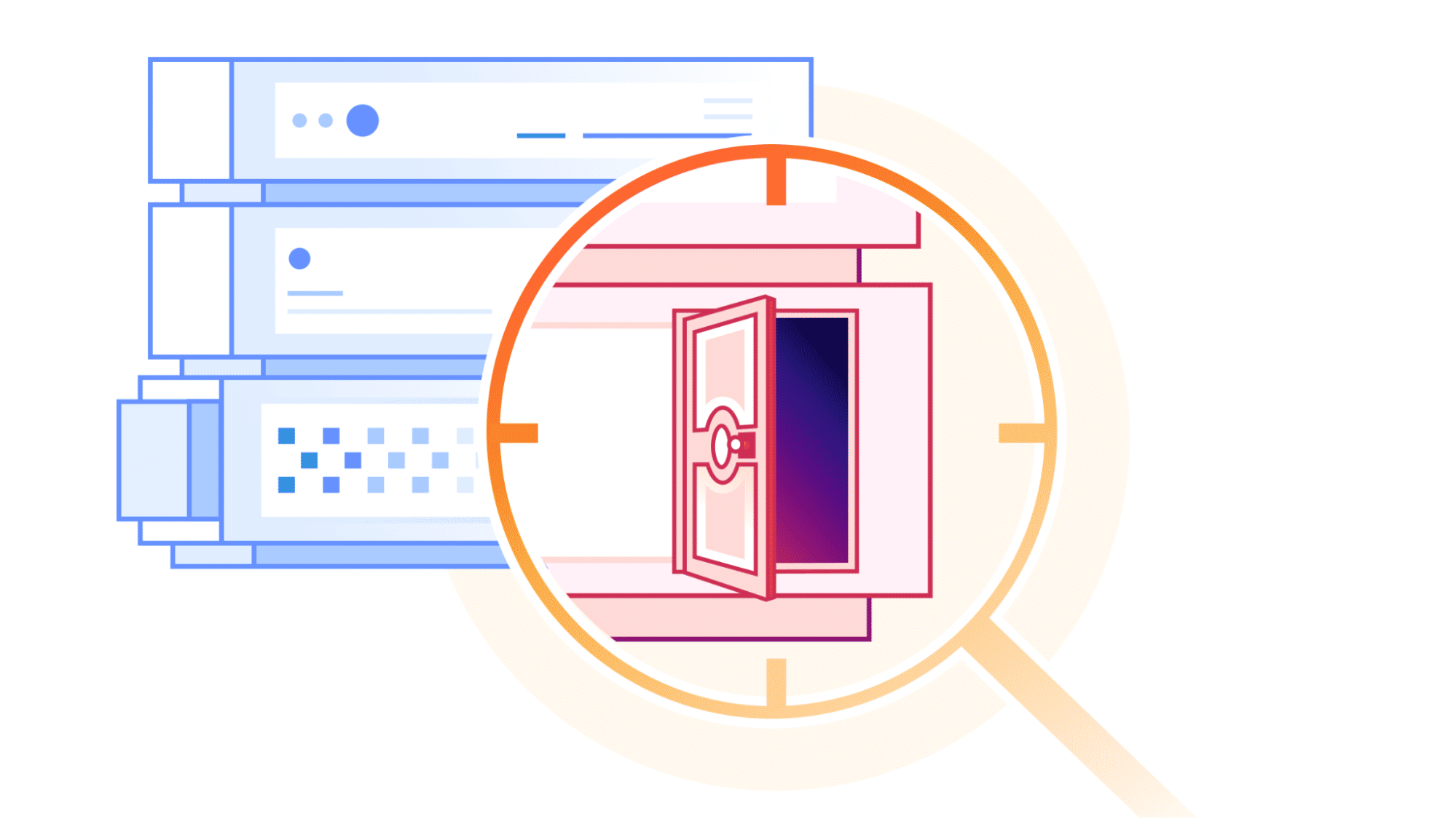
Cloudflare has published guidance for organisations running NetScaler Gateway following the disclosure of CVE-2026-88771, a vulnerability that allows unauthenticated attackers to execute arbitrary commands on the appliance. The flaw resides in code that runs before any user signs in, meaning traditional perimeter defences that rely on post-authentication inspection cannot stop the initial exploit.
The Key Details
- Vulnerability: CVE-2026-88771 — pre-authentication remote code execution (RCE) in NetScaler Gateway.
- Impact: Attackers can run commands on the gateway without valid credentials.
- Constraint: Vendor patches exist but take time to test and deploy across production environments.
- Cloudflare’s recommended mitigation: Shift the authentication decision in front of the vulnerable code path. In practice, this means enforcing user sign-in (via identity providers, Zero Trust policies, or Cloudflare Access) before the NetScaler gateway processes the request, so unauthenticated traffic never reaches the exploitable component.
Why It Matters
Pre-auth RCE vulnerabilities in remote-access gateways are among the most dangerous because they expose the management plane directly to the internet. NetScaler appliances are widely used by enterprises — including many in Nigeria and across Africa — for VPN access, application delivery, and load balancing. When a flaw allows code execution before login, every unpatched appliance is a potential entry point for ransomware, data theft, or lateral movement.
Patching remains essential, but the window between disclosure and full deployment is where attackers operate. Cloudflare’s approach acknowledges that reality: instead of waiting for a patch window, move the trust boundary forward.
What It Means for Readers
For IT and security teams in African enterprises
- If your organisation uses NetScaler Gateway for remote access, treat CVE-2026-88771 as an active threat.
- Evaluate whether you can place an identity-aware proxy (Cloudflare Access, Okta, Entra ID, or similar) in front of the gateway so that only authenticated users reach the NetScaler.
- This does not replace patching; it buys time to patch safely.
For managed-service providers and resellers
- The mitigation pattern — authenticate before the vulnerable service — applies to other gateway and VPN products with similar pre-auth attack surfaces.
- Build this architecture into standard deployment templates.
For developers and DevOps
- Any service that accepts unauthenticated traffic and parses complex inputs (SAML, OAuth, custom headers) is a candidate for the same treatment.
- Consider "authentication at the edge" as a default design pattern.
What Happens Next
- Monitor Citrix/NetScaler security bulletins for the official patch and any updates to the CVE severity score.
- Test the authentication-before-gateway configuration in a staging environment before rolling out to production.
- Review logs for any anomalous pre-authentication requests that may indicate prior exploitation attempts.
VANTIX Takeaway
The fastest way to stop a pre-authentication exploit is to require authentication before the vulnerable code runs. Patching is non-negotiable, but it is slow. Moving the sign-in decision to the edge — via Zero Trust access controls or an identity-aware proxy — closes the exposure window immediately and works for any gateway, not just NetScaler.


