What Happened
Rivian is moving toward integrating AI agents from external providers into its electric vehicles, signaling a shift from its current in-house AI assistant to a more collaborative ecosystem of third-party intelligence.
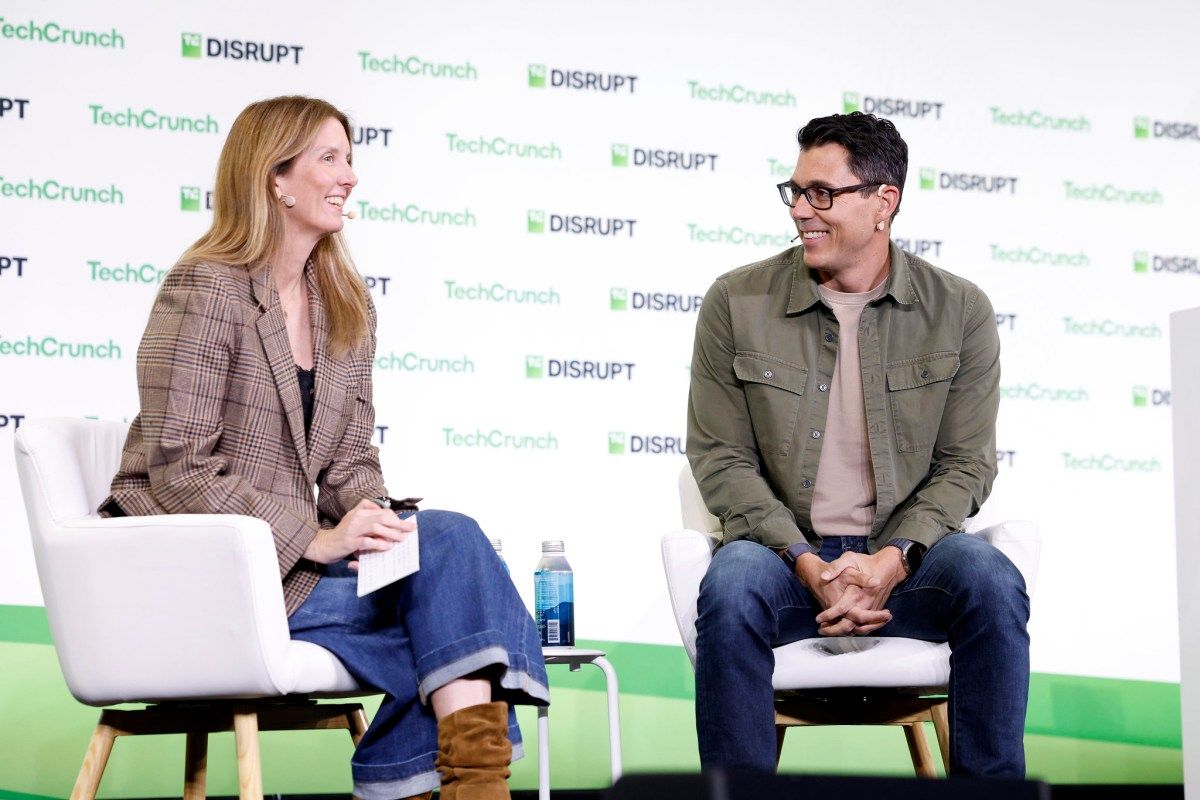
At TechCrunch Disrupt this week, founder and CEO RJ Scaringe hinted that Rivian's cars will eventually run AI agents developed by companies like Anthropic, OpenAI, and Meta. "That's where it becomes magical," Scaringe said onstage. He emphasized that while the exact timeline remains undecided, the company pointed to its "AI & Autonomy Day" event in December as the forum for further revelations.
The Key Details
Existing AI Assistant
Rivian has already launched an AI assistant that enables drivers and passengers to interact with the vehicle purely through voice commands. This foundational layer handles common tasks such as adjusting cabin temperature, activating seat warmers, and summarizing news headlines.
Architecture and Capabilities
The company has developed its in-car software from the ground up, eschewing reliance on Apple CarPlay or Android Auto. Instead, Rivian built its own suite of applications, including native navigation. Its current agentic framework intelligently routes user intents to the appropriate components of the vehicle's software. The system operates on a two-tier model:
- Local models handle straightforward requests (e.g., climate adjustments, media playback).
- Cloud models address more complex queries requiring external computation.
As of May of this year, the agent could already interface with external applications like Google Calendar. Looking ahead, the planned integration of frontier AI models suggests a richer capability set, though Scaringe cautioned that implementing this across the entire vehicle stack will require significant backend engineering and careful coordination with partner labs.
Safety Considerations
A critical constraint emerged during the discussion: vehicle-level control systems remain off-limits to AI agents. Scaringe stressed that determining when to apply brakes or steer should not be delegated to an autonomous agent. The focus, he indicated, is on extending the assistant's role as an intelligent interface that pulls context from conversations held on other devices—for example, recalling a prior discussion about a meal plan to help the driver prepare for a gathering.
Broader Context
Rivian is not the first automaker to explore this territory. Earlier this year, Tesla introduced features allowing users to converse with both SpaceX's Grok chatbot and its proprietary Grok Bot assistant. The timing of Rivian's rollout appears to be driven by the desire to build a more sophisticated, multi-vendor AI ecosystem within its vehicles—a direction that aligns with industry trends toward modular, plug-and-play intelligence.
Why It Matters
This development reflects a broader transformation in the automotive sector, where AI assistants are evolving from simple voice-activated tools to complex agents capable of orchestrating multi-step workflows. For Rivian customers, the implication is a more intuitive, proactive driving experience—but also heightened responsibility for safety and reliability. The fact that Rivian built its software stack independently positions it to customize how third-party agents interact with vehicle hardware, potentially offering a differentiated user experience compared to competitors that rely on standardized platform integrations.
For developers and technology enthusiasts, the announcement underscores the growing importance of interoperability between AI models and physical hardware. Successfully embedding frontier AI agents into vehicles will require solving challenges around latency, privacy, and real-time responsiveness—issues that extend far beyond the initial announcement.
What It Means for Readers
For everyday users: If Rivian follows through on its roadmap, drivers and passengers could soon interact with their vehicles using natural language with greater depth, accessing calendar entries, weather updates, and more—all without touching a screen. The integration of external AI assistants like Claude or Meta's Muse could also enable cross-device continuity, remembering preferences from one app to another.
For businesses and developers: The move signals an opportunity to explore partnerships with leading AI labs. Companies building automotive software may find new avenues for collaboration with firms developing specialized AI agents, particularly in areas like productivity assistance, personal organization, and entertainment.
For the broader tech landscape: Rivian's approach highlights the trend of automakers moving beyond basic infotainment toward intelligent ecosystems where AI acts as a central coordinator. Whether this translates to tangible benefits for consumers depends on how smoothly the integration is executed and how robust the safety guardrails are designed.
What Happens Next
More details are expected at Rivian's "AI & Autonomy Day" event in December. The company has been transparent about the timeline being undecided, emphasizing that the "plumbing" required to connect third-party AI models to vehicle systems will need extensive development and testing. Until then, the current state of affairs remains a promising preview of a future where your car's AI assistant is not just reactive but actively coordinated with external intelligence networks.


