What Happened
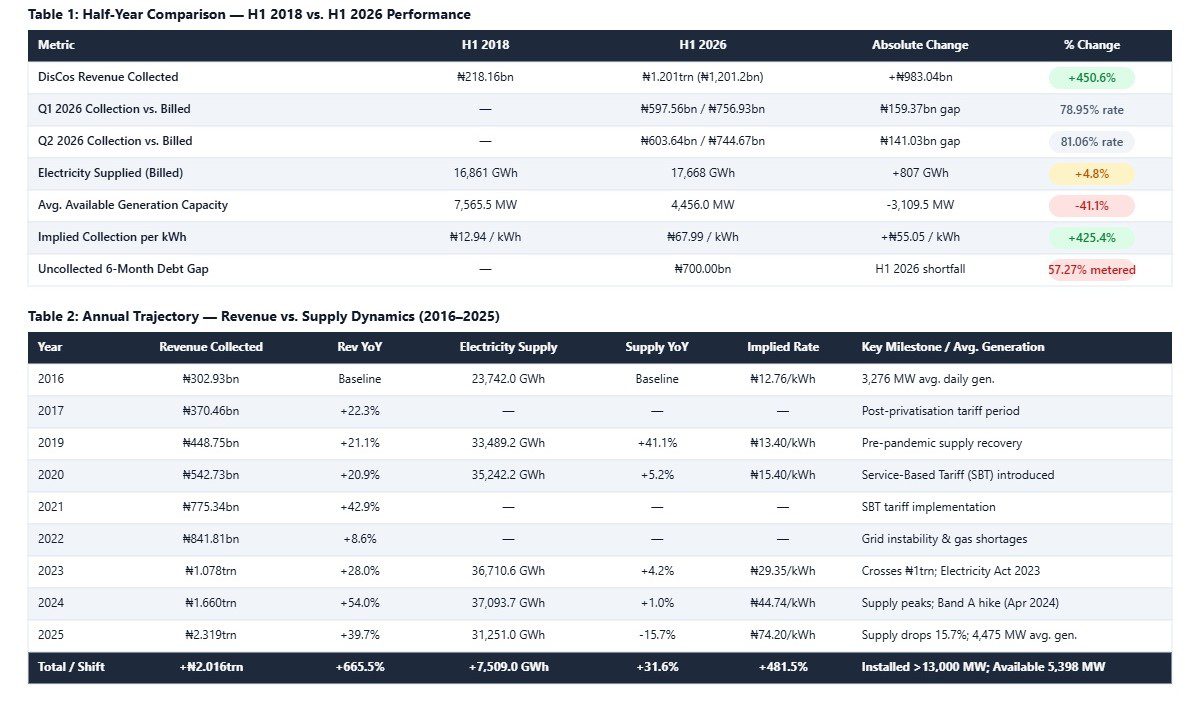
Thirteen years after the privatisation of Nigeria’s electricity distribution companies, the DisCos’ combined revenue has surged by 450% to reach ₦1.2 trillion. At the same time, the amount of electricity actually supplied to consumers has stayed flat at around 4.8% of demand.
The Key Details
- Revenue increase: 450% growth to ₦1.2trn.
- Electricity supply level: stagnant at 4.8%.
- Timeframe: 13 years post‑privatisation.
- Reported impact: the situation is straining the tech ecosystem.
Why It Matters
The stark contrast between rising revenues and flat supply suggests that the DisCos are earning far more without delivering a proportional increase in service. For a sector that underpins almost every other industry, this imbalance can undermine confidence in the power sector and create bottlenecks for businesses that depend on reliable electricity.
What It Means for Readers
For technology users and businesses in Nigeria, unreliable power means:
- Higher operating costs as firms invest in generators, inverters or alternative energy sources.
- Risk of downtime for data centres, telecom base stations and online services.
- Potential slowdown in the adoption of digital services that require constant uptime.
The tech ecosystem, which includes software developers, fintech firms, e‑commerce platforms and telecom operators, relies on steady power to keep servers running, maintain network infrastructure and support customer-facing applications. When supply does not keep pace with revenue growth, the sector faces increased uncertainty and expense.
What Happens Next
The source material does not announce any specific policy changes, investment plans or timelines for improving supply. Readers should watch for official statements from the Nigerian Electricity Regulatory Commission (NERC), the DisCos themselves or government interventions aimed at bridging the gap between revenue and service delivery.
VANTIX Takeaway
After reading this, the most important point to grasp is that Nigeria’s DisCos are collecting significantly more money while delivering barely any more electricity—a dynamic that directly affects the cost and reliability of technology services across the country.


